


Awaab’s Law: What It Means for Housing Providers and Maintenance Contractors
Date: 13 October 2025
Awaab’s Law: What It Means for Housing Providers and Maintenance Contractors
Awaab’s Law comes into force on 27 October 2025, introducing strict new rules for social landlords. From that date, housing providers will have to investigate and fix damp, mould, and other hazards within specific timeframes. The law forms part of the government’s wider effort to raise living standards and protect residents from the dangers of poor housing conditions.
Understanding Awaab’s Law
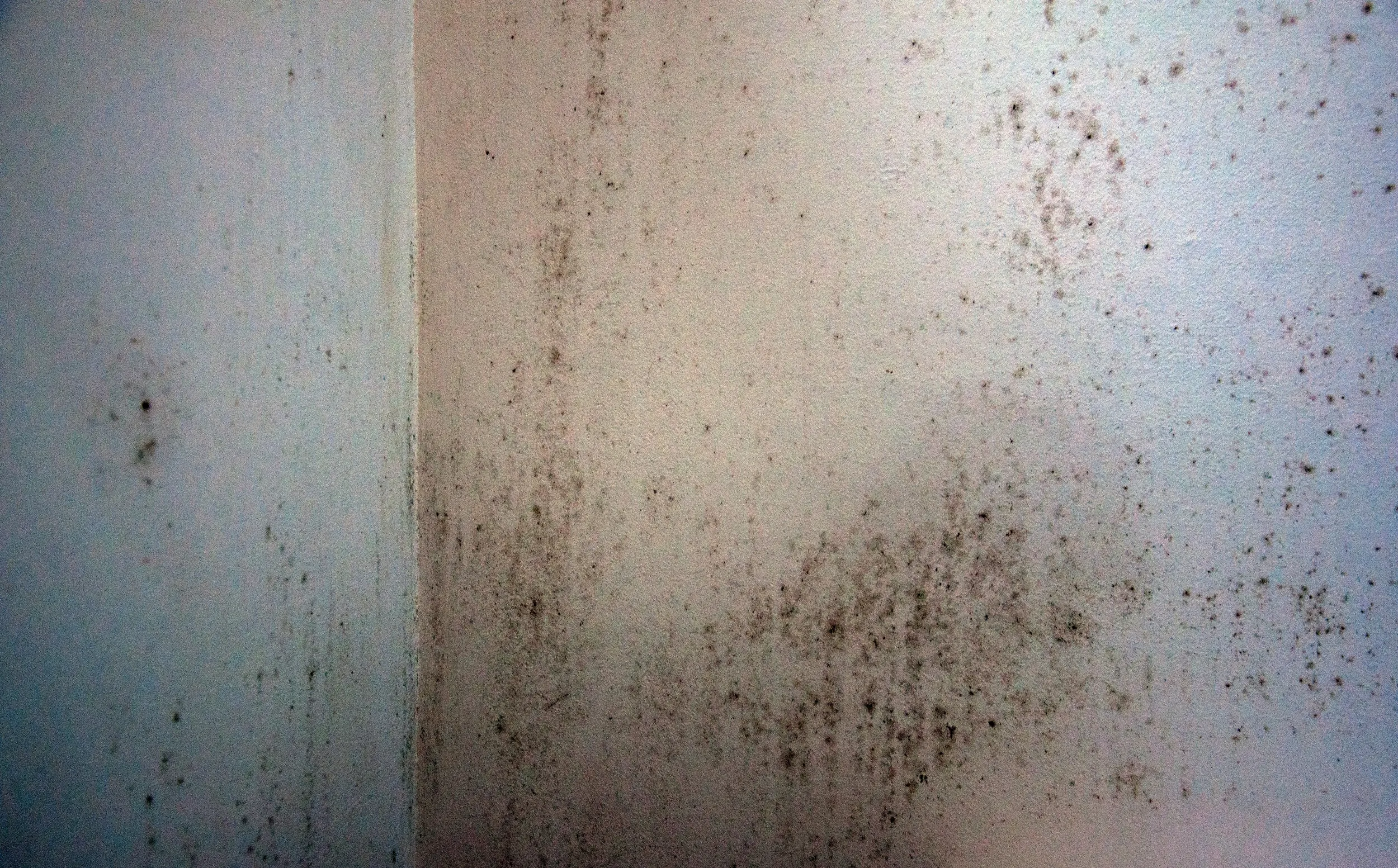
Named after two-year-old Awaab Ishak, whose death in 2020 was linked to prolonged exposure to mould, the legislation makes landlords directly responsible for acting quickly when problems are reported. It sets clear deadlines: landlords must investigate any reported damp or mould within 10 working days, issue written findings within three days, and start repair work within five days where hazards are found.
In serious or emergency cases, they’ll need to make the property safe within 24 hours.
You can read the full Awaab’s Law: Draft Guidance for Social Landlords on the UK Government website for the latest updates and official timelines.
The law will also expand in phases. From 2026, it will cover other risks such as excess cold, overheating, electrical hazards, and fire safety. By 2027, it’s expected to include almost all categories listed under the Housing Health and Safety Rating System (HHSRS).
What It Means for Housing Providers and Contractors
These changes will affect how housing associations, local authorities, and maintenance teams plan their work. The new timelines leave very little room for delays in inspections, material orders, or access arrangements. Keeping accurate records will be essential too, as landlords will need to prove that each case was handled properly and within the deadlines.
Maintenance contractors and facilities managers should review existing response procedures, ensuring staff understand what qualifies as an “emergency” or “significant” hazard. It’s also vital to keep up-to-date information on property conditions and tenant health, since the new law requires landlords to consider residents’ vulnerabilities when assessing risk.
Preventing Damp and Mould Problems
Awaab’s Law puts the spotlight on prevention as much as response. Long-term compliance depends on managing moisture and ventilation effectively—not just fixing problems once they appear.
Investing in the right equipment can make a huge difference. Reliable dehumidifiers, air movers, and filtration systems help control humidity, speed up drying times, and stop mould from returning.
Some of the most effective solutions include:
Desiccant dehumidifiers such as the Ecor Pro DH3500 DryFan, ideal for cold or unheated spaces.
Commercial refrigerant dehumidifiers like the Dri-Eaz BD100, designed for fast, large-scale moisture removal.
Industrial air movers such as the XPOWER P-800TH, which help dry surfaces and structures after leaks or floods.
HEPA air scrubbers like the XPOWER X-3480, which capture airborne particles during cleaning or refurbishment.
These tools support housing providers and service teams in keeping properties safe, dry, and compliant with upcoming standards.
Building a Culture of Compliance
Awaab’s Law represents a major shift in how damp and mould problems are handled—but it also creates an opportunity to raise standards across the housing sector. By acting early, maintaining clear communication with tenants, and using the right Compressor Dehumidifiersand Industrial Fans & Air Movers, landlords and maintenance contractors can stay compliant, reduce costly call-backs, and improve living conditions.
For more advanced solutions, explore our full range of Air Purifiers and Desiccant Dehumidifiers—ideal for long-term moisture control and improved indoor air quality in social and commercial housing.