Trusted HVAC Experts SINCE 2014


HVAC Atex Equipment
Industries such as oil, gas, mining and petrochemicals often involve working in demanding and potentially dangerous environments. Air gases, vapours, mists or dust can mix in a way that makes them able to catch fire under certain conditions which creates potentially explosive atmospheres.
Dustcontrol
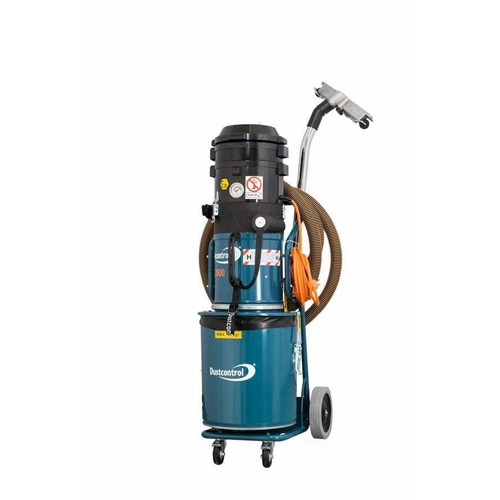
Dustcontrol DC 2800 H EX ATEX Zone 22 Dust Extractor | NHS
- ATEX Zone 22 mobile dust extractor
- Designed for non-conductive combustible dust
- Single-phase operation
- Brushless motor for spark-free use
- HEPA H13 and polyester filtration system
- Supplied with ATEX-approved accessories
Dustcontrol
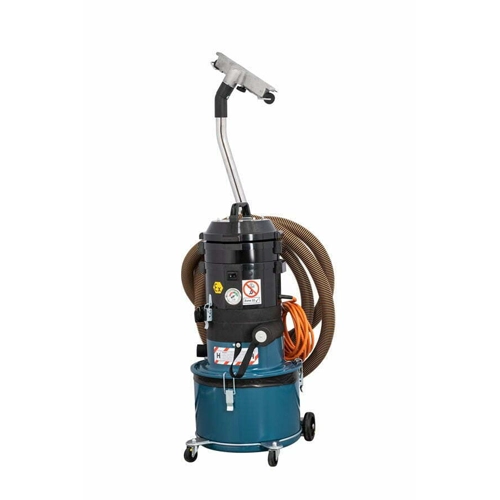
Dustcontrol DC1800 H EX ATEX Zone 22 Rated Dust Extractor
- ATEX Zone 22 rated industrial dust extractor
- Polyester fine filter with HEPA H13 filtration
- 5 m ATEX suction hose and steel container
- Brushless motor for spark-free operation
- 20 litre container with 50 mm inlet
- Suitable for general cleaning and tool extraction
EXHEAT
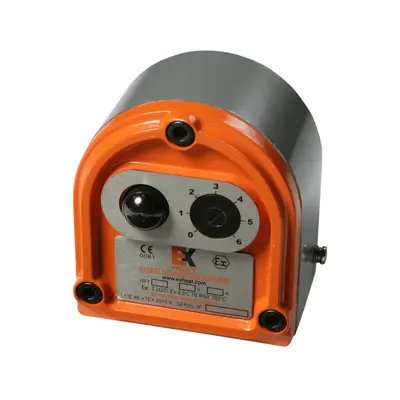
EXHEAT AFT Flameproof Air & Process Sensing Thermostat
- IP6X Weatherproof
- Externally Adjustable Thermostat
- Lightweight Cast Aluminium Enclosure
- Operating Temp Range -60°C to +60°C
- Wall-Mounting Possible
- 3 Control Ranges
- Temperature Rating T6

HVAC For ATEX Zones
At National Heater Shops, we provide industrial heating, ventilation and air conditioning solutions that are powerful and safe enough for use in demanding environments. We have options for heaters, air conditioners and dust extractors available that are rated for hazardous area zones 1, 2 and 22.
What ATEX Means
ATEX refers to a set of directives in Europe that make sure people are safe in environments with an explosive atmosphere. There are two of these directives: the Equipment Directive (2014/34/EC) and the Workplace Directive (1999/92/EC). The Dangerous Substances and Explosive Atmospheres Regulations (DSEAR) implement requirements of this Directive in Great Britain.
The Equipment Directive means that equipment in potentially explosive environments that could explode must be checked and approved. This is known as the ATEX 114 directive.
The Workplace Directive sets minimum requirements for improving workplace safety to protect workers in ATEX environments. Hazardous areas are grouped into ATEX zones based on how likely they are to explode.
There are multiple zones, each represented by a number. ATEX has two types of explosive atmospheres: gas and dust. These areas are divided into three smaller safety zones. There are different ways of counting ATEX zones and ATEX equipment. Zones for gases start at 0, and for dust, they start at 20. The equipment count starts at 1. You can read more about the classification of hazardous areas and selection of equipment here.
Zones 0 & 20: Category 1 equipment is required in these zones, as there is a constant and very high danger.
Zones 1 & 21: A minimum of category 2 equipment is required in these zones, as there is a high potential danger.
Zones 2 & 22: A minimum of category 3 equipment is required in these zones, as the danger level is minor and normal.
How HVAC ATEX Equipment Is Grouped and Classified
There are two main groups when classifying ATEX equipment. Each of these groups is further divided into safety categories.
Equipment Group 1
This equipment group is designed to only be used in underground areas such as mines and in parts of surface installations that are at risk of firedamp and/or combustible dust.
Category M1: This equipment is for use in mines with methane and dust. It remains safely energised when an explosive atmosphere is present.
Category M2: The equipment is designed for use in mines like M1, but it is de-energised when an explosive atmosphere is present.
Equipment Group 2
The equipment is designed to be used for non-mining applications in ATEX environments.
Category 1: Safety is guaranteed even if two faults happen at the same time.
Category 2: Safety is ensured if disturbances or an equipment fault happen. They occur often and usually have to be taken into account.
Category 3: Safety is ensured in normal operation when explosive atmospheres are unlikely to occur or occur for only short periods.
ATEX Certified Air Conditioning Units
At National Heater Shops, we have options for ATEX certified air conditioning units. The Friedrich range features both the Friedrich Hazardgard SH24N30AT Hazardous Location Air Conditioner and Friedrich Hazardgard SH20N50AT Hazardous Location Air Conditioner 240v - suitable for Zone 2 usage.
ATEX Certified Dust Extractors
Along with air conditioners and air warmers, we also have a selection of ATEX certified dust extractors. The Dustcontrol DC1800 H EX ATEX Zone 22 Rated Dust Extractor is rated for use in Zone 22.