Trusted HVAC Experts SINCE 2014


Garage Dehumidifiers and Shed Dehumidifiers
Shop our range of garage dehumidifiers and shed dehumidifiers. Effectively keep sheds, garages and other areas safe from condensation, mould and rust with a dehumidifier.
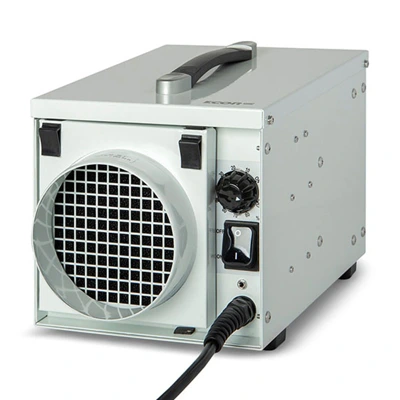
Ecor Pro
Ecor Pro DH1200 DryFan Desiccant Dehumidifier 220v 12 Litres
- Extracts Up To 12 Litres Per Day
- 3 Hole Ducting Design
- Includes a FREE 1m x 45mm Flexible Ducting
- Operating Temp Range -20°C to 40°C
- Integrated Humidistat Control
- Portable Or Can Be Installed
- Heat Treated Epoxy Unit Finish for Durability
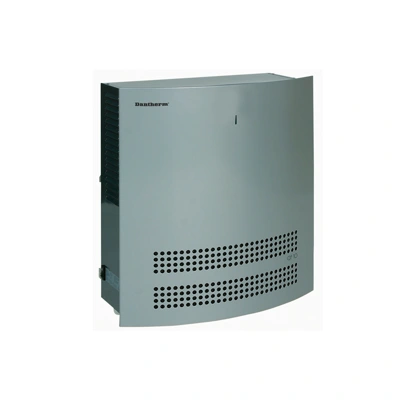
Dantherm Group
Dantherm CDF 10 Wall Mounted Dehumidifier 230v 7.5 Litres
- Extracts Up To 7.5 Litres Per Day
- 5.5L Water Container
- Operating Temp Range 3°C to 30°C
- Epoxy-Coated Internal Components
- Automatic Defrosting
- Built-in Hygrostat & Digital Control Panel
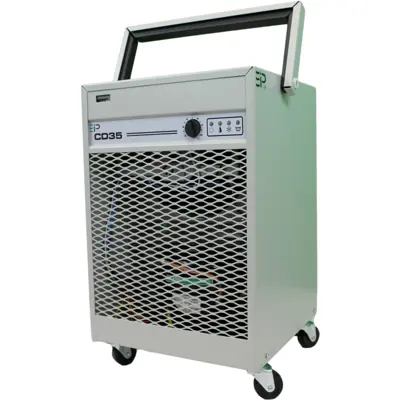
Ebac Industrial Products
Ebac CD35 Heavy Duty Refrigerant Dehumidifier - 230v 10 Litres
- Extracts Up To 10 Litres Per Day
- 4L Water Collection Tank
- Gravity Fed Drainage Possible
- Operating Temp Range 3°C to 35°C
- Hot Gas Defrost
- Adjustable Humidistat

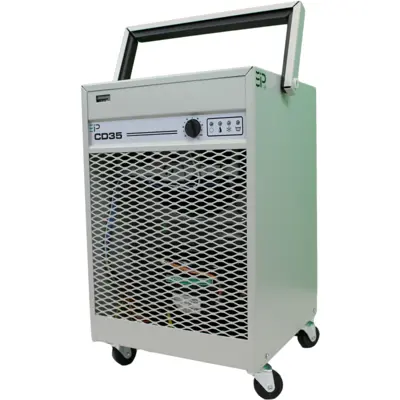
Ebac Industrial Products
Ebac CD35P Heavy Duty Refrigerant Dehumidifier with Condensate Pump - 230v 10 Litres
- Extracts Up To 10 Litres Per Day
- Integrated Condensate Pump & Drain Hose
- Operating Temp Range 3°C to 35°C
- Hot Gas Defrost Function
- Adjustable Humidistat
- Plug & Play Design
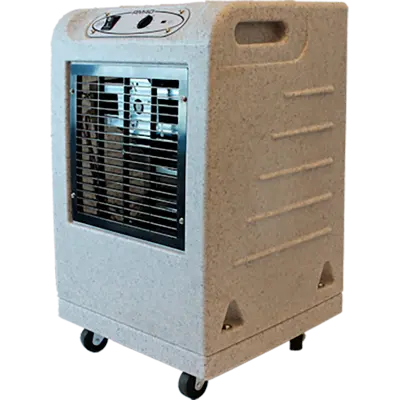
Ebac Industrial Products
EBAC RM40 Heavy Duty Refrigerant Dehumidifier 230v 10 Litres
- Extracts Up To 10 Litres Per Day
- 4L Collection Tank
- Operating Temp Range 3°C to 35°C
- Hot Gas Defrost
- Adjustable Humidistat
- Gravity Fed Drainage Possible
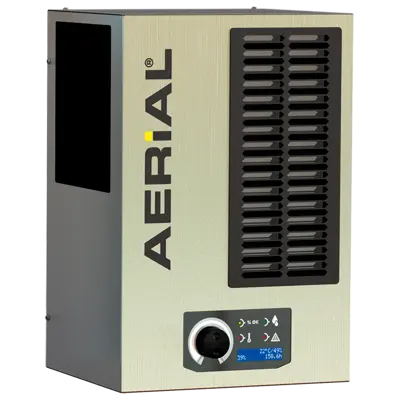
Aerial Climate Solutions
Aerial AD110 Wall Mounted Refrigerant Dehumidifier 230v 15 Litres
- Extracts Up To 15 Litres Per Day
- Automatic Condensate Pump Out
- Quiet Operation (46dB(A))
- Compact & Space-Saving Design
- Hot Gas Defrost
- Efficient F-Gas Compliant Refrigerant

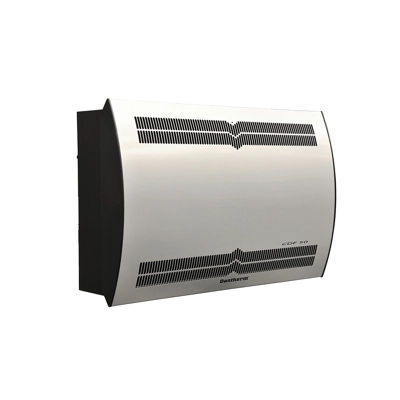
Dantherm Group
Dantherm CDF 50 Wall Mounted Dehumidifier 230v 34.8 Litres
- Extracts Up To 34.8 Litres Per Day
- Gravity Fed Drainage
- Operating Temp Range 3°C to 30℃
- Built-in Hygrostat
- Automatic Defrosting
- Digital Control Panel & USB Fault Finder
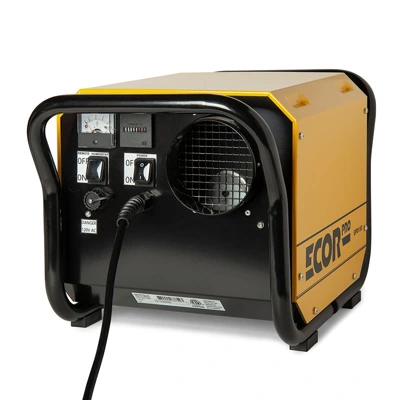
Ecor Pro
Ecor Pro DH2511 DryFan Desiccant Dehumidifier 110v 35 Litres
- Extracts Up To 35 Litres Per Day
- 3 Hole Ducting Design
- Operating Temp Range -20°C to 40°C
- Portable Or Can Be Installed
- Ideal For Home, Commercial & Industrial Use
- Auto Reset Function
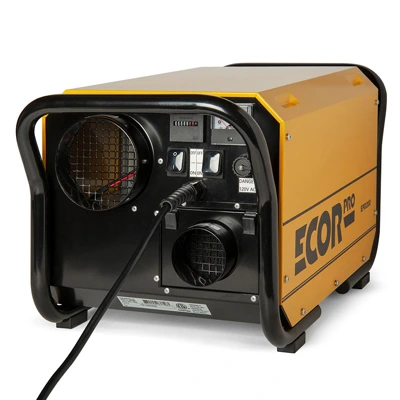
Ecor Pro
Ecor Pro DH3500 DryFan Desiccant Dehumidifier 220v 45 Litres
- Extracts Up To 45 Litres Per Day
- 4 Hole Ducting Design
- Operating Temp Range -20°C to 40°C
- Zeolite Absorbent
- Portable Or Can Be Installed
- Auto Reset Function
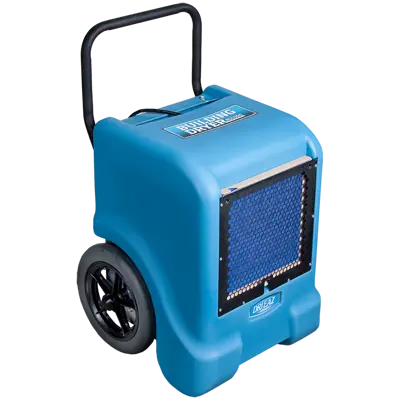
Dri-Eaz
Dri-Eaz BD1000 Building Dryer Dehumidifier 48 Litres
- Extracts Up To 48 Litres Per Day
- Integrated Condensate Pump & Drain Hose
- Humidistat Control
- Manual Purge
- Dual Voltage or 230v models
- Best Building Dryer Award 2023
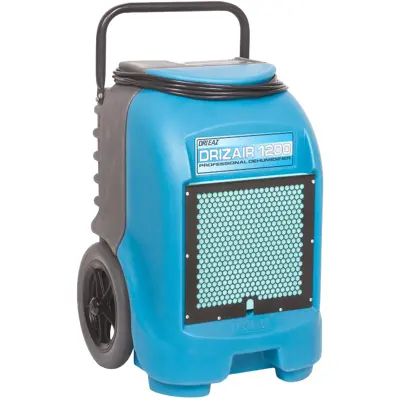
Dri-Eaz
Dri-Eaz DrizAir 1200 Industrial Dehumidifier 55 Litres
Extracts Up To 55 Litres Per Day
Auto Condensate Pump & Drain Hose
Operating Temp Range 1°C to 38°C
Tough Rotomoulded Casing
Simple Touchpad Control
Best Refrigerant Dehumidifier Award
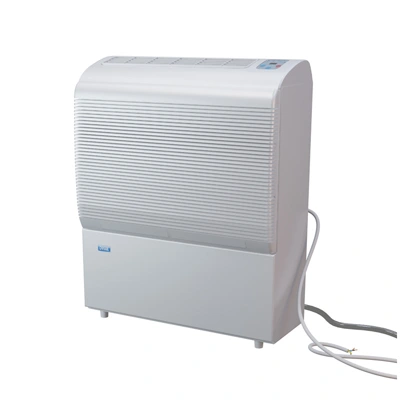
Ecor Pro
Ecor Pro D950 Wall Mounted Dehumidifier - 220v 85 Litres
- Extracts Up To 85 Litres Per Day
- Gravity Condensate Drainage
- Operating Temp Range 4°C to 40°C
- Built-in Digital Humidistat & Simple Control Panel
- Auto Reset Function
- Swimming Pool Ready
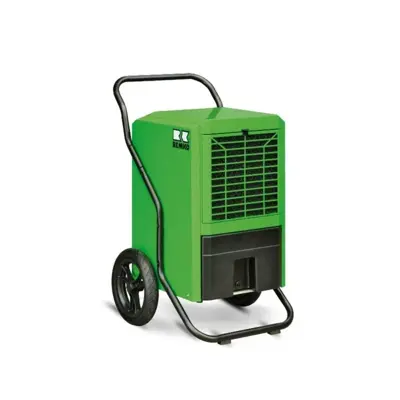
REMKO
REMKO LTE 60 Eco Professional Dehumidifier 62 Litres
- 62 Litre Max. Removal Capacity
- Stackable, Service-friendly Design
- Efficient Rotating-piston Condensor
- Ergonomic Handles & Wheels
- Fully Automatic Electronic Controls
- Optional Integrated Condensate Pump
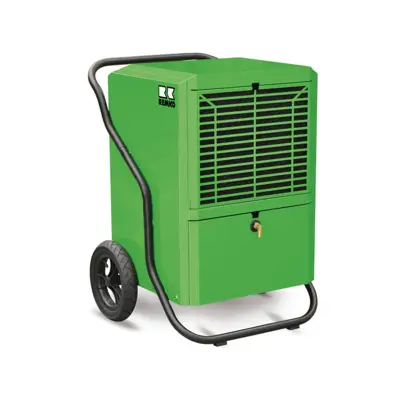
REMKO
REMKO LTE 120 Eco Professional Dehumidifier 106 Litres
- 120 Litre Max. Removal Capacity
- Stackable, Service-friendly Design
- Efficient Rotating-piston Condensor
- Ergonomic Handles & Wheels
- Fully Automatic Electronic Controls
- Optional Integrated Condensate Pump
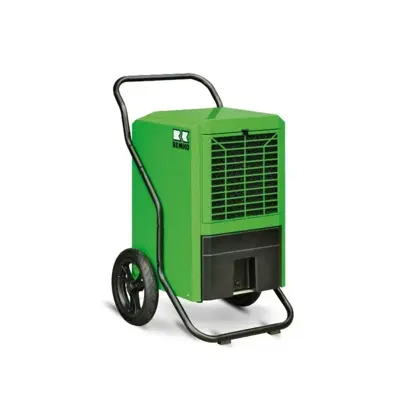
REMKO
REMKO LTE 50 Eco Professional Dehumidifier 51 Litres
- 51 Litre Max. Removal Capacity
- Stackable, Service-friendly Design
- Efficient Rotating-piston Condensor
- Ergonomic Handles & Wheels
- Fully Automatic Electronic Controls
- Optional Integrated Condensate Pump
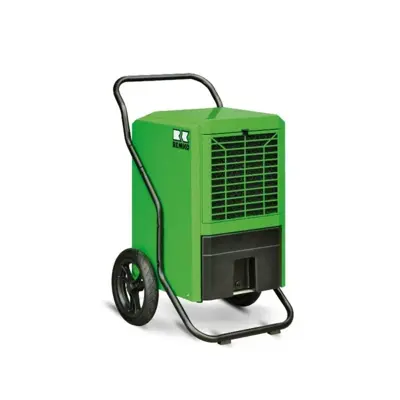
REMKO
REMKO LTE 80 Eco Professional Dehumidifier 80 Litres
- 80 Litre Max. Removal Capacity
- Stackable, Service-friendly Design
- Efficient Rotating-piston Condensor
- Ergonomic Handles & Wheels
- Fully Automatic Electronic Controls
- Optional Integrated Condensate Pump
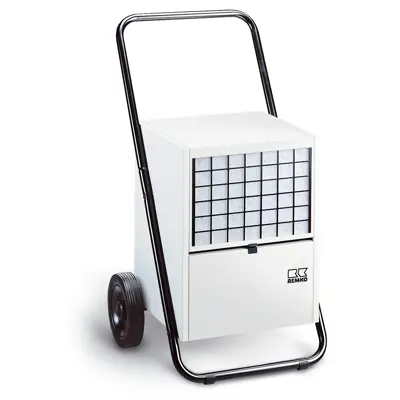
REMKO
REMKO ETF ECO 500 Professional Dehumidifier 48 Litres
- Extracts Up To 48 Litres Per Day
- 6.5L Condensate Tank
- Fully Automatic Controls
- Robust Sleek Steel Portable Design
- Eco-friendly R290 Refrigerant
- Plug-in-ready Design
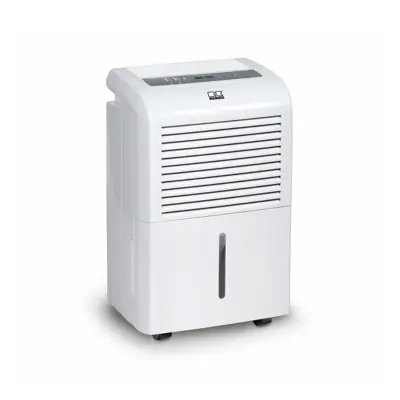
REMKO
REMKO ETF 360 Eco Mobile Dehumidifier 40 Litres
- Extracts Up To 40 Litres Per Day
- Plug-in-ready Condensation Pump
- Easy To Transport
- Fully Automatic Controls & Digital Display
- Two Fan Stages
- Efficient Rotating-Piston Condenser
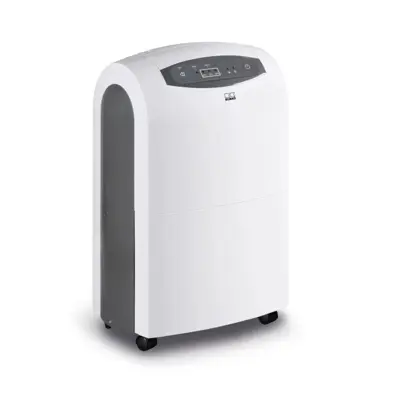
REMKO
REMKO ETF 320 Eco Mobile Dehumidifier 32 Litres
- Extracts Up To 32 Litres Per Day
- Plug-in-ready Design
- Fully Automatic Electronic Controls
- Built-in Hygrostat
- Hot Gas Defrosting
- Efficient Rotating-Piston Condenser
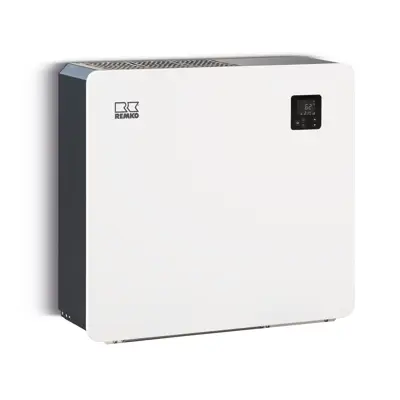
REMKO
REMKO ETF 650-S Commercial Dehumidifier 65 Litres
- Extracts Up To 65 Litres Per Day
- Plug-and-Play Design
- Cutting-edge Inverter Compressor Technology
- Silent Mode, Timer & Electronic Hydrostat
- Set & Forget with Fully Automatic Control System
- Eco-friendly R32 Refrigerant
Keep Equipment and Structures Dry With A Garage Dehumidifier
Garage and shed dehumidifiers are available in a variety of sizes and can be used across a multitude of applications. Ideal for garages, sheds, temporary structures, workshops and other facilities.
Excess moisture in the air increases what is known as the relative humidity. The relative humidity is measured by the amount of water vapour currently in the air compared to the maximum amount of water vapour the air could contain at a specific temperature. Typically, an environment should have a relative humidity between 50-60% to be considered dry.
A higher amount of humidity in an area leads to issues such as mould, rust and structural damage. For structures such as sheds and garages, this can be more damaging as these areas are often used to store tools, cars or other equipment that is potentially prone to rust. A dehumidifier can prolong the life of this equipment and make the atmosphere in these areas more pleasant.
Trustworthy Garage and Shed Dehumidification
At National Heater Shops, our selection of garage and shed dehumidifiers are supplied by reliable, well known brands such as Dantherm, Ebac, Ecor Pro and Dri-Eaz amongst others. A high quality dehumidifier reduces run cost and increases efficiency.
Choosing the Right Garage and Shed Dehumidifier
When deciding on a unit, a few key factors should be considered. Commercial users typically benefit from higher capacity models than domestic users do, as commercial dehumidifiers are usually designed for continuous operation.
Some factors to consider include:
Extraction capacity
Drainage options
Energy efficiency
Power source
Operating temperature range
Sheds and garages often get very cold due to their lack of insulation. This can sometimes affect which type of dehumidifier is best for you - as different types work effectively at different temperature ranges. For cold areas that reach 5°C and lower, desiccant dehumidifiers offer a solution. These dehumidifiers use a rotor system which pulls air in, then separates moisture from it by using an absorbent material before being blown back out of the unit. Desiccant dehumidifiers are used most effectively in cold climates and in cold areas that are not heated or insulated.
On the contrary, compressor dehumidifiers are best used in average temperatures. These dehumidifiers use a series of refrigerated and heated coils to reduce moisture. They create evaporation within the machine which then filters through into a collection tank or is pumped away. These dehumidifiers work better in warmer temperatures, and use lower amounts of electricity.
For more help in deciding what dehumidifier is best for your garage or shed, speak to our friendly sales team or contact us.
Benefits Of Using A Garage Dehumidifier
Shed and garage dehumidifiers help in a variety of different ways, to improve the environment for both belongings and individuals. By protecting the area from damage due to humidity, cost efficiency is increased as repairs and replacements occur less often.
Protecting Equipment and Tools
Excess moisture causes rust, corrosion and electrical damage. Areas such as sheds and garages are often used for storing tools, cars or equipment that is prone to rust.
Prevent Mould
High humidity can increase the risk of mould developing and growing. Whilst a dehumidifier can’t eradicate already established mould, it can prevent more from growing.
Improve Damp-Related Ailments
Sometimes damp, humid environments have negative effects on people. Excess moisture in the air can lead to the worsening of asthma, eczema, and allergy symptoms. Certain pests, such as dust mites, spiders and cockroaches also prefer damp conditions, so a dry space is less appealing to them.
Reduce Condensation
Condensation on walls, ceilings and metal surfaces is common in garages and sheds and is the result of excess moisture.
Garage and Shed Dehumidifier FAQs
Can a dehumidifier run continuously?
Commercial dehumidifier units are often designed with the prospect of continual use in mind. Be sure to read manufacturer’s guides and specifications to ensure the dehumidifier you are buying is the best one for you. Dehumidifiers that can use a drainage hose and feature humidistats are ideal for continuous operation as it removes the need to manually empty the tank each time it is full.
Are shed dehumidifiers energy efficient?
Modern dehumidifiers are designed with efficiency in mind. In particular, units with humidistats can automatically shut down when the relative humidity is appropriate for the environment which leads to less unnecessary run time.
Do I need a dehumidifier in my garage?
Areas that have a high relative humidity and are prone to issues such as condensation would benefit from a dehumidifier. A garage dehumidifier helps to maintain balanced humidity and ensures items stored remain undamaged due to the conditions.
Related Guides and Articles: