Trusted HVAC Experts SINCE 2014


Flood Dehumidifiers and Water Damage Dehumidifiers
We supply a wide range of flood dehumidifiers, suitable for use in water damage restoration projects and mitigating flood damage.
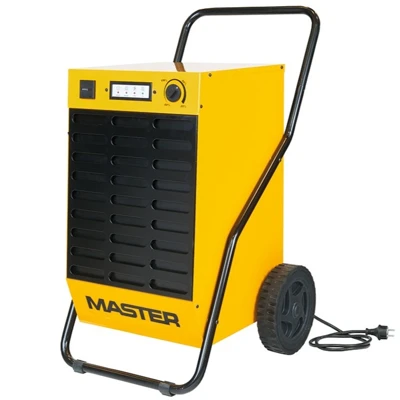
Master Climate Solutions
Master DH 62 Professional Dehumidifier 110v/240v 52 Litres
- Extracts Up To 52 Litres Per Day
- 12L Collection Tank
- Operating Temp Range 1°C to 42°C
- Built-in Humidistat
- Hot Gas Defrost Function
- Hose Connection Point for Continuous Drainage
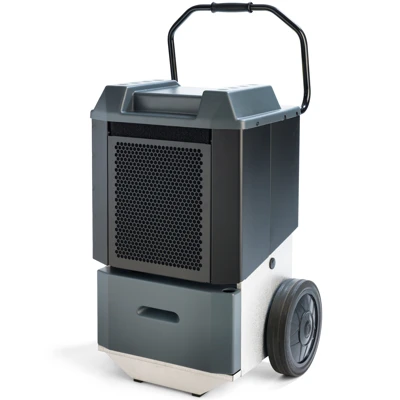
Wood's
Woods WCD8HGH Pro Industrial Dehumidifier 230v 49 Litres
- Extracts Up To 49 Litres Per Day
- 9L Collection Tank
- Operating Temp Range of 2°C to 35°C
- Dual Fan Speeds
- Washable Dust Filter
- i-EcoDefrost
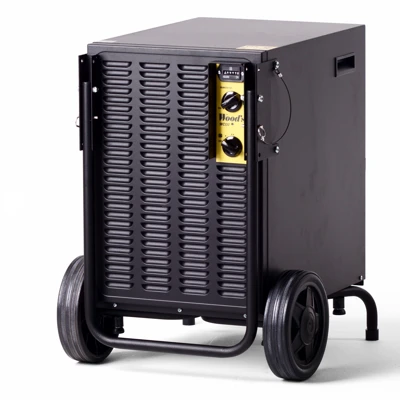
Wood's
Woods WCD2 Pro Professional Dehumidifier 230v 19 Litres
- Extracts Up To 19 Litres Per Day
- 11.5L Collection Tank
- Operating Temp Range of 2°C to 35°C
- Dual Fan Speeds
- i-EcoDefrost Intelligent Defrost System
- Integrated Humidistat & Hour Counter

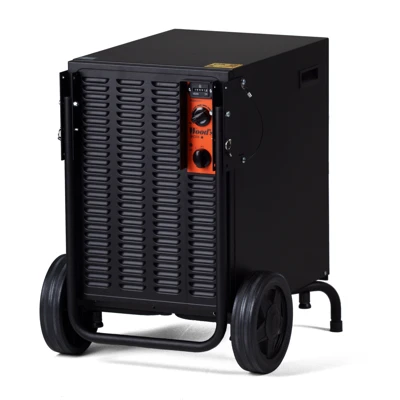
Wood's
Woods WCD3 Pro Professional Dehumidifier 230v 25.5 Litres
- Extracts Up To 25.5 Litres Per Day
- 11.5L Collection Tank
- Operating Temp Range of 2°C to 35°C
- Dual Fan Speeds
- i-EcoDefrost With Intelligent Defrost System
- Integrated Humidistat & Hour Counter
Wood's
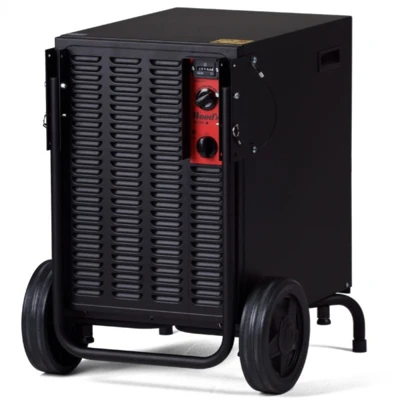
Woods WCD4 Pro Industrial Dehumidifier 230v 41 Litres
- Extracts Up To 41L Per Day
- 11.4L Collection Tank
- Operating Temp Range 2°C to 35°C
- i-EcoDefrost Intelligent Defrost System
- Dual Fan Speeds
- Integrated Humidistat
Ecor Pro
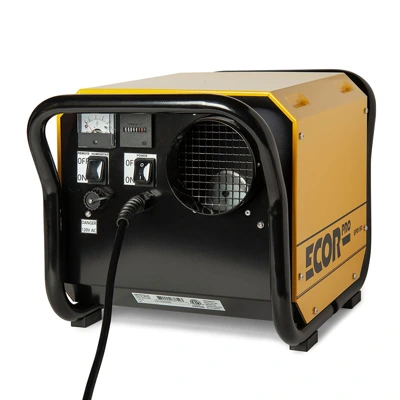
Ecor Pro DH2500 DryFan Desiccant Dehumidifier 220v 35 Litres
- Extracts Up To 35 Litres Per Day
- 3 Hole Ducting Design
- Operating Temp Range -20°C to 40°C
- Zeolite Absorbent
- Portable Or Can Be Installed
- Auto Reset Function

Quickly And Effectively Remove Moisture After Floods
Water residue after flooding can quickly become an issue in homes, basements, cellars, commercial premises or other areas. A flood dehumidifier helps to mitigate these problems, and helps to speed up the drying process in areas that are suffering with excess moisture.
Whether you’re a restoration professional, facilities manager, construction contractor or a homeowner dealing with severe water damage - a high performance flood dehumidifier can help to dry the area by removing excess moisture from the air.
What Are Flood Dehumidifiers?
Flood dehumidifiers are high capacity industrial units that are built to handle the extreme humidity conditions that follow flooding, leaks, storm damage and burst pipes.
Flood dehumidifiers work to remove excess moisture left in the air and environment after a flood. They are often used in tandem with a water pump, which removes the immediate body of water that is causing a problem. A floor dryer can also be used alongside a flood dehumidifier to reduce water damage. Leftover humidity can cause future problems and additional water damage, which is why a flood dehumidifier is often used alongside the water pump.
Unlike standard domestic units, these dehumidifiers are made to:
Extract large amounts of moisture quickly
Operate continuously
Support structural drying and restoration projects
Integrate with floor dryers and other drying systems.
High quality flood dehumidifiers are capable of assisting in heavy duty tasks and tasks that would otherwise be impossible for smaller units.
Why Water Damage Dehumidifiers Are Essential After A Flood
After a flood or leak, moisture doesn’t just sit on the surface. It penetrates materials like plasterboard, timber framing, carpets, concrete and insulation. Leaving surroundings damp can cause:
Mould growth within 24-48 hours
Structural deterioration
Persistent odours
Indoor air quality changes.
Flood dehumidifiers remove airborne moisture, allowing damp materials to release trapped water faster. This controlled drying process helps to prevent secondary damage and shortens restoration timelines.
When Should A Water Damage Dehumidifier Be Used?
A water damage dehumidifier should be used whenever a property has experienced:
Flooding
Burst pipes
Roof leaks
Storm damage
Fire suppression water damage
Severe condensation or damp issues
By using professional drying equipment, long term damage can be mitigated faster and more effectively.
How Long Does It Take To Dry Flooded Property?
Drying time depends on many factors, including:
The extent of the water damage
The building materials
Temperature and relative humidity of the area
The number of dehumidifiers used
The use of air movers and pumps
Typically, professional drying can take somewhere between 3 and 7 days to complete, although severity of the flood damage and size of the area can change this.
Flood Dehumidifier FAQs
Who uses flood dehumidifiers?
Flood dehumidifiers are used across a variety of industries where rapid moisture control and removal is essential. This includes water damage restoration companies, construction and renovation contractors, property managers and facilities teams, insurance loss adjusters and homeowners.
Are flood dehumidifiers different from home dehumidifiers?
Standard home dehumidifiers are not built with the intention of them performing heavy duty tasks. This can be because they are not made with commercial or industrial grade materials, or with significantly higher extraction capacity. Flood dehumidifiers are naturally designed to withstand more demanding tasks and operate for longer runtimes.
Do flood dehumidifiers help prevent mould?
Yes. Flood dehumidifiers help prevent mould by removing the conditions needed for mould to develop. They do not, however, remove already existing and established mould.
Related Guides and Articles: