


How to Dry Out Flood Damage: Heat vs Dehumidifiers
Date: 14 October 2025
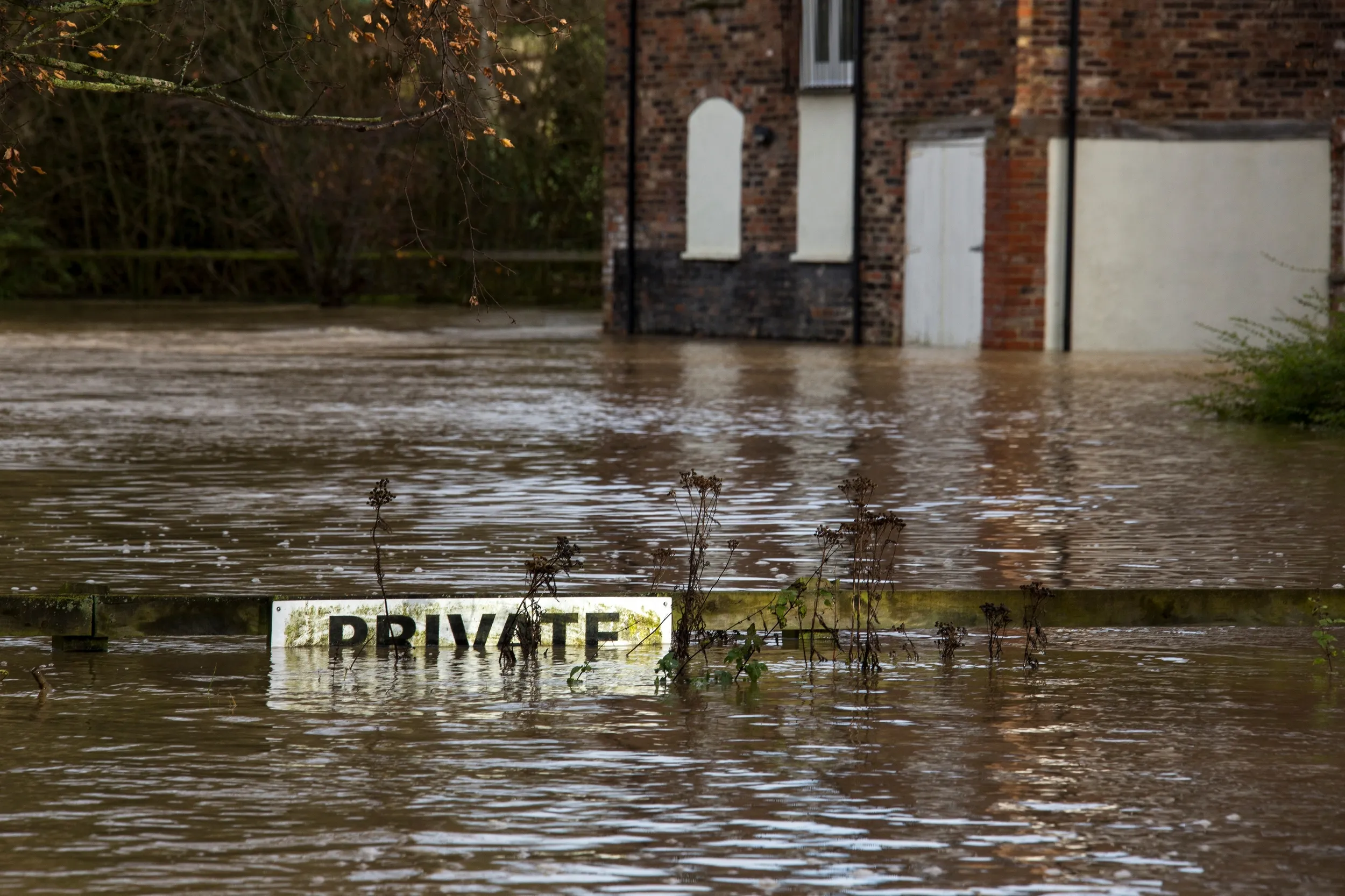
How to Dry Out Flood Damage: Heat vs Dehumidifiers
The harsh truth is that the water you can see after a flood is often the least of your worries. Bound water – this is the moisture trapped in porous materials such as timber – is the real danger now. Timber will absorb water and left if untreated will rot and cause mould within 24 to 48 hours.
Knowing how to dry out flood damage is a process that goes far beyond the “set and forget” mentality. While heating a room will make it feel dry, without proper moisture extraction, the humidity will be pushed deeper into the timber.
Finding the Scientific Balance
To remove moisture after a flood, you must balance:
- Temperature: You will need to increase the surface temperature of materials to draw moisture out and allow for it to be evaporated.
- Airflow: The use of air movers can be effective at pushing this saturated layer of air away from wet surfaces.
- Dehumidification: A dehumidifier will remove the moisture from the air and is essential for controlling vapour pressure.
When the balance of these three pillars is off, this can unfortunately lead to secondary damage such as warped hard floors. Understanding the science behind targeted heat and dehumidification is key to success.
Key Takeaways: The Essentials of Flood Recovery
Knee deep in water and short on time? Keep these four essential principles in mind:
- The 48-Hour Deadline: Mould begins to show within 24 to 48 hours.
- The Drying Triad: Heat, air movement and dehumidification are crucial for success.
- Avoid the "Sauna Effect": Never use a heater without a dehumidifier.
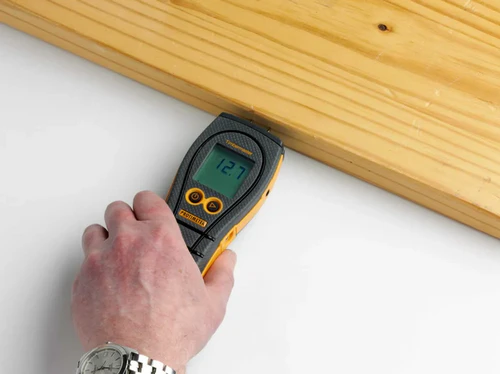
- Measure, Don't Guess: Use a moisture metre to find your dry standard.
The 48-Hour Rule: Why Speed is Your Best Tool Against Flood Damage
Water damage is measured by: volume, time and contamination. The clock is ticking from the moment a leak or flood occurs and within minutes water saturates the hygroscopic materials of your structure.
The Timeline of Deterioration
If you’re not well on your way within the first 24-48 hours, the costs of secondary damage can be more expensive than the initial flood:
- Structural Integrity: Timber and floorboards will start to swell and after prolonged saturation, it may never return to its original design.
- Microbial Proliferation: In a warm, damp environment, mould is prolific. It is visible, and airborne within just 2 days, as recognised by https://www.gov.uk/government/publications/flooding-and-health-advice-for-frontline-responders/how-to-recover-from-flooding
- Material Degradation: Plasterboard will start to wick and insulation becomes sodden.
- Corrosion: Moisture clinging to metal fixings will quickly start to oxidate.
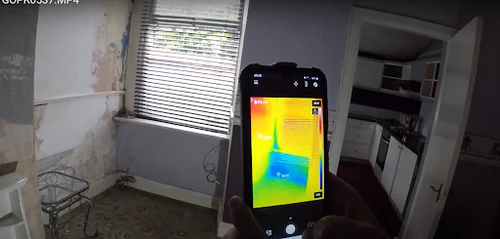
Beyond the Surface
I advise taking a dry standard reading from an unaffected area of the property. Then match this reading by extracting bound moisture from:
- Subfloors and Screed: Concrete and screed are porous and will release moisture later if not dealt with now.
- Stud Cavities: Humid air trapped inside walls can rot timber from the inside out.
- Insulation: Must be flooded with airflow or removed if they are non-porous.
The Mechanics of Structural Drying
Evaporation is the process of turning water trapped in the material (such as timber and concrete) into water vapour. The concern here is by focusing on evaporation alone, you risk only drying the surface and leaving the core dangerously wet.
This is where a dehumidifier becomes an essential step in removing water vapour from the air. My advice is to create a thirsty environment by keeping Relative Humidity (RH) under 40%. When RH climbs too high (above 60%), the air can no longer hold more moisture and water vapour will be forced elsewhere.
You should also measure Grounds Per Pound (GPP) to ensure your dehumidifier is winning the battle against evaporation. Check the moisture level of the air in the affected room against the air exhausted by the dehumidifier. The exhausted air should be significantly lower.
Why Balanced Drying Prevents Secondary Damage
A balanced and controlled approach to drying is the best foot forward. I urge people to not crank up the heat, this only helps to create a moist environment and is the perfect condition for black mould to thrive in.
Why Heat Alone Often Backfires
While using an industrial heater to raise the temperature and increase vapour pressure, without proper extraction, that water is going nowhere. Without dehumidification, moisture will condense on a cooler surface.
In a domestic environment, the hygroscopic shock of rapid heating can cause the surface of materials to crack while the core remains saturated. Lingering, humid air will also contribute to the smell of a flood.
In a commercial setting, the vapour pressure drive caused by intense heat will drive moisture deeper into porous materials. High humidity can cause ghost failures in electronics weeks after reopening.
The Critical Need for Vapour Extraction
Heat turns water from a liquid into a gas, but without a dehumidifier to extract the gas, all that moisture is going nowhere.
Why Dehumidification is the Engine of Recovery
A dehumidifier is the most reliable way to remove moisture from a building. If you don’t extract that vapour, it will be absorbed into walls and ceiling leading to secondary damage.
The Drying Cycle: From Liquid to Drain
It is important to understand this cycle and to monitor to ensure evaporation remains high:
- Release: Air movers break the surface tension on materials.
- Transport: Moisture is then released into the air as vapour.
- Capture: We use a dehumidifier to draw in the humid air.
- Elimination: The vapour is then condensed into a liquid and removed.
Compressor vs. Desiccant: Choosing the Right Technology
Choosing the wrong technology can delay the drying process, you should select your equipment based on temperature and the volume of water present.
Compressor Dehumidifiers
Compressor dehumidifiers use cooling coils to condense water vapour into liquid. These units are most effective above 15°C and can remove large volumes of water.
Desiccant Dehumidifiers
Instead of using cooling coils, desiccant dehumidifiers use a silica gel rotor to pull moisture in from the air. For temperatures below 10°C, desiccant dehumidifiers are the professionals choice for cold environments.
Beyond Ventilation: The Role of Air Movers
You can have the most powerful dehumidifier in the world, but if the moisture remains trapped against the surface, then your dehumidifier has nothing to extract.
A boundary layer of saturated air forms on wet surfaces. Use air movers to strip this layer away to allow for dehumidifiers to extract the moisture.
The Drying Triad: Why Coordination Beats Choice
A question I get all the time is: which is more important – heating or dehumidification. However, the real question is how we balance them. Understanding the Drying Triad, the relationship between temperature, airflow and extraction is the key to success.
The Cost of an Unbalanced System
- Heat Without Dehumidification: You will pull out moisture from one surface, only for it to collect on another.
- Dehumidification Without Heat: Without heat, moisture will stay trapped within surfaces.
- Air Movement Without Extraction: Without a dehumidifier to extract moisture, fans will just circulate the moisture in the air.
The Professional Verdict: Strategic Integration
For a successful project, you should use a dehumidifier to prevent mould and control Relative Humidity (RH). Use air movers to remove surface moisture and use heat to pull moisture from the materials core.
Recommended Equipment for Controlled Flood Drying
Effective drying is the coordinated use of equipment. The three examples below meet the three factors of the Drying Triad: temperature, airflow, and extraction.
EBAC BD150 Industrial Dehumidifier
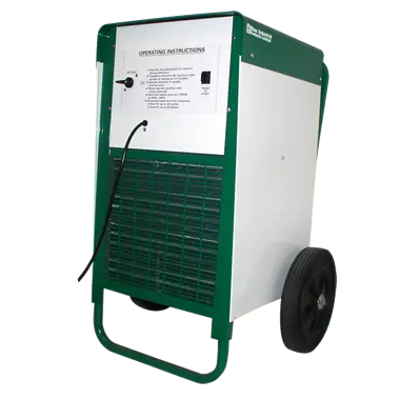
Unlike domestic units, The Ebac BD150 can handle the high grain loads found in the first 48 hours of a flood. This compressor dehumidifier is best suited for sites where the temperature is above 10°C.
Thermobile BX 15 Portable Electric Fan Heater
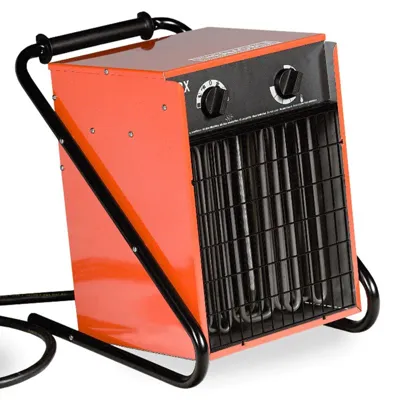
Because the Thermobile BX 15 is electric, it provides clean, dry heat. This makes it preferable over gas heaters which release water vapour as a byproduct of combustion. It delivers 15kW of power to increase vapour pressure.
XPOWER P-800TH Centrifugal Air Mover
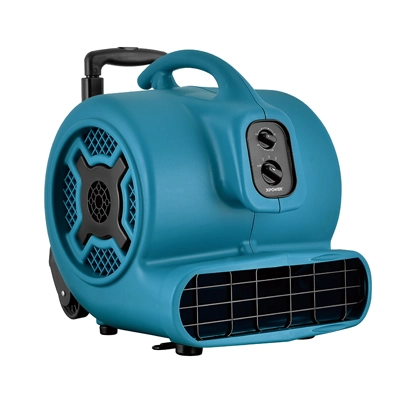
Airflow bridges the gap between evaporation and extraction. The XPOWER P-800TH features a 3200 CFM (Cubic Feet per Minute) high-pressure airflow to scrub moisture from wet surfaces. A timer will switch the machine off once the dry standard has been met.
Combined Setup for Flood Recovery
When we combine these three units, we create a controlled microclimate that can pull water deep from a building fabric. Used together the Thermobile BX15 acts like a catalyst by raising the temperature to increase vapour pressure. The XPOWER P-800TH strips away the boundary layer, while the EBAC BD150 extracts moisture and lowers Relative Humidity (RH) levels.
Why the "Combined Approach" is Non-Negotiable
Without this coordination, jobs often fail. By using a coordinated setup you ensure dimensional stability for your structure while preventing microbial proliferation (mould). The method is the cheapest way to restore a property to its dry standard.
Frequently Asked Questions
Q: How do professionals dry out flood damage?
A: Once I have extracted standing water, the next step is to establish a drying envelope using a dehumidifier and an air mover. To check when a building is dry, I use a moisture metre to track the building’s Moisture Content (MC%). The goal is to reach the dry standard set by unaffected areas of the building.
Q: Is heat or a dehumidifier better for drying flood damage?
A: They both perform different roles in the Drying Triad, so neither is better. Heat is used to drive out moisture, while a dehumidifier is used to extract it. If you use one without the other you risk causing secondary damage.
Q: What type of dehumidifier is best for flood recovery?
A: You should choose your dehumidifier based on the class of water loss and temperature. Compressor dehumidifiers can remove large volumes of moisture and are best suited to temperatures above 15°C. Desiccants are best for dense materials or unheated sites.
Q: How long does it take to dry a flooded building?
A: This varies project to project but you’re looking at anything from 3 to 7 days. However, this does assume a professional setup is in place within 24-48 hours.
Q: Can flood damage cause mould if it isn’t dried properly?
A: Yes. Mould spores will start to appear within the first 24 to 48 hours. The worst thing you can do here is using only a heater as this will speed up mould growth. A dehumidifier is the only way to lower Relative Humidity (RH) and stop mould.
Final Thoughts
Flood drying is a race against time and biology. I thoroughly recommend adopting the Drying Triad approach and moving away from a DIY heating method to restoring your property.
The Restoration Summary:
- Heat is the catalyst that draws out moisture deep from within the material.
- Dehumidification is the extractor and is the only way to remove moisture.
- Airflow is the multiplier that ensures dry air gets to where it is needed.
If you can manage to synchronise these elements, flood recovery becomes a controlled and measurable process. Failure to balance them can result in secondary damage such as wood rot and warped floors.
Secure Your Property Today
I never recommend leaving anything to chance. For advice on equipment or further technical guidance contact us and our team of technical experts will get in touch.
At National Heater Shops, we offer rapid UK delivery, and our Price Match Promise means we won’t be beaten on price.