Trusted HVAC Experts SINCE 2014


Ecor Pro Boat Dehumidifiers
Read More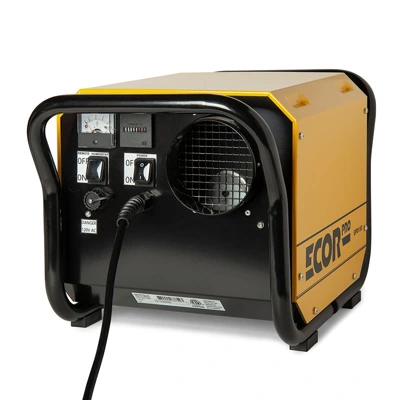
Ecor Pro
Ecor Pro DH2511 DryFan Desiccant Dehumidifier 110v 35 Litres
- Extracts Up To 35 Litres Per Day
- 3 Hole Ducting Design
- Operating Temp Range -20°C to 40°C
- Portable Or Can Be Installed
- Ideal For Home, Commercial & Industrial Use
- Auto Reset Function
Ecor Pro
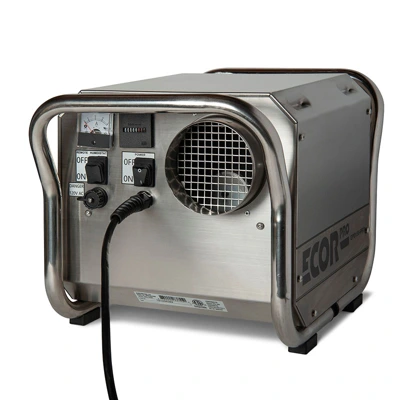
Ecor Pro DH2500 INOX DryBoat 35 Desiccant Dehumidifier 220v 35 Litres
- Extracts Up To 35 Litres Per Day
- 3 Hole Ducting Design
- Operating Temp Range -20°C to 40°C
- Portable Or Can Be Installed
- Auto Reset Function
- Marine Grade Stainless-Steel Construction
Ecor Pro
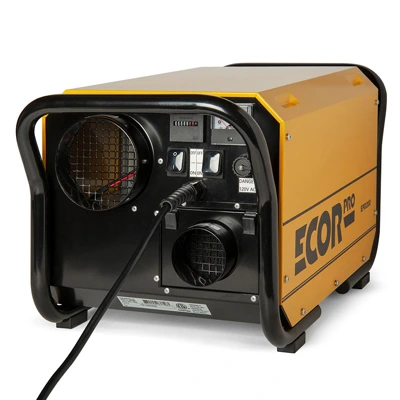
Ecor Pro DH3500 DryFan Desiccant Dehumidifier 220v 45 Litres
- Extracts Up To 45 Litres Per Day
- 4 Hole Ducting Design
- Operating Temp Range -20°C to 40°C
- Zeolite Absorbent
- Portable Or Can Be Installed
- Auto Reset Function

Ecor Pro
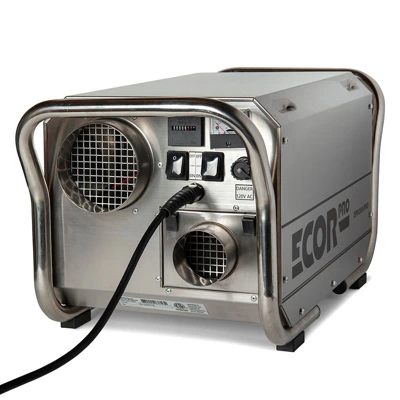
Ecor Pro DH3500 INOX DryBoat 45 Desiccant Dehumidifier 220v 45 Litres
- Extracts Up To 45 Litres Per Day
- 4 Hole Ducting Design
- Operating Temp Range -20°C to 40°C
- Auto Reset Function
- Portable Or Can Be Installed
- Marine Grade Stainless-Steel Construction
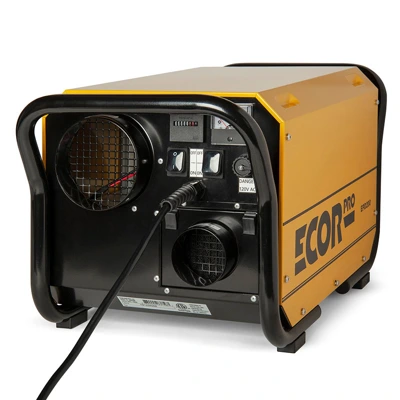
Ecor Pro
Ecor Pro DH3511 DryFan Desiccant Dehumidifier 110v 45 Litres
- Extracts Up To 45 Litres Per Day
- 4 Hole Ducting Design
- Operating Temp Range -20°C to 40°C
- Auto Reset Function
- Ideal For Home, Commercial & Industrial Use
- Portable Or Can Be Installed
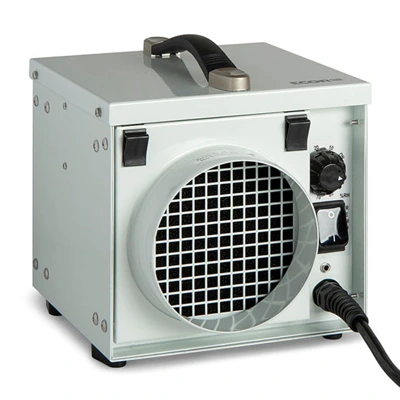
Ecor Pro
Ecor Pro DH800 DryFan Desiccant Dehumidifier 220v 8 Litres
Extracts Up To 8 Litres Per Day
3 Hole Ducting Design
Operating Temp Range -20°C to 40°C
Integrated Humidistat Control
Robust Portable Design
Best Desiccant Dehumidifier Award 2023

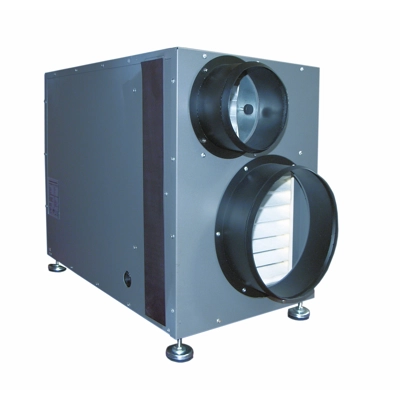
Ecor Pro
Ecor Pro LD800 Ducted Compressor Dehumidifier 220v 80 Litres
- Extracts Up To 80 Litres Per Day
- Versatile Ducting Connections
- Operating Temp Range 4°C to 40°C
- HEPA Type Filter
- Auto Reset Function
- Swimming Pool Ready
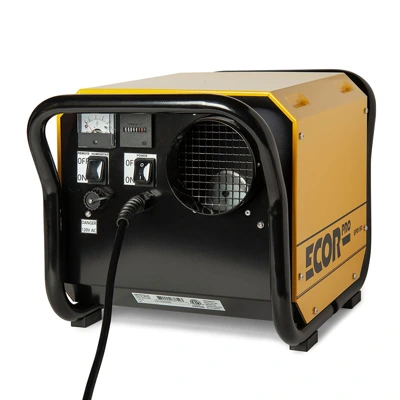
Ecor Pro
Ecor Pro DH2500 DryFan Desiccant Dehumidifier 220v 35 Litres
- Extracts Up To 35 Litres Per Day
- 3 Hole Ducting Design
- Operating Temp Range -20°C to 40°C
- Zeolite Absorbent
- Portable Or Can Be Installed
- Auto Reset Function
Ecor Pro Boat Dehumidifiers
Award winning dehumidifiers for vessels, sails & clothing
Ecor Pro DryBoat INOX dehumidifiers are industry-leading desiccant boat dehumidifiers. These tough dehumidifiers are made from stainless steel and they have heat treated components to ensure performance and longevity in demanding environments. The INOX construction offers a level of resistance to corrosion caused by salt and chemicals that other dehumidifiers cannot match.
These dehumidifiers are specifically designed and built to withstand harsh marine conditions, as well as other challenging environments. Ecor Pro INOX dehumidifiers are compact and portable units that protect ships, yachts and boats from the damage caused by damp, mould, and corrosion. They can also be used in a range of other challenging areas. For example, IcelandAir use these dehumidifiers to keep their jet engines dry whilst in storage. These dehumifiers are also perfect for drying sails, ropes, clothes and other equipment after they have been drenched in sea water.
These desiccant dehumidifiers work by drawing in moist air from the space and passing it through an absorbent mesh on a rotary wheel. The wheel turns, absorbs the moisture and vents it away as vapour. The fan expels dry air out into the space. Ducting can be used on the air inlet, allowing you to draw in moist air from wherever required - the unit itself does not need to be in situ in the area that you wish to dry. Ducting is also used to vent the moist air outside. This allows you to conveniently dry cabins and spaces on board vessels.
Ecor Pro boat dehumidifiers can run continuously and they are effective in temperatures well below 0℃, where traditional refrigerant dehumidifiers are unable to perform. The Ecor Pro DryBoat INOX range includes the industry-leading DH800 and DH1200 boat dehumidifiers. The Ecor Pro DH1200 has been awarded 'Best Boat Dehumidifier' by Yachting World. Exor Pro INOX dehumidifiers are available in a range of sizes and extraction capacities. Take a look at the range on our website and for more information, help, and advice, contact us via online live chat or telephone to speak to our sales team.
How to choose the right dehumidifier for your yacht
Looking after your boat or marine property properly shouldn't be stressful. Protect your vessel from damp in the winter months by picking the right dehumidifier. This article explores how to make that important decision!
Life's a beach in summer- with the sea air in your hair, it is easy to forget the worry winter can bring to caring for your yacht. The cooler winter months can bring damp, a fierce enemy of all boat owners.
Damp, condensation, and mould can damage important equipment and the interior structure of your yacht and the soft-furnishing smelling musty.
A well-chosen dehumidifier can keep those worries at bay, allowing you to enjoy your yacht to its fullest!
How can humidity become a problem on yachts?
In the relatively cooler environment, out on the water, the sea itself will cool the hull of your yacht.
The yacht's interior is obviously warmer, with guests breathing and insulation. However, this warm, moist air cools on cooled surfaces like stainless steel or around window seals. This is condensation, and left alone, damaging mould can develop.
Trapped condensation is a particular problem in warmer climates, such as cruising around the Mediterranean, Caribbean and Pacific coasts. The exterior air temperature is warmer, causing greater humidity.
How can a dehumidifier help on my yacht?
There are several methods to try before getting a dehumidifier. Fixing insulation will help, as well as making sure your interior has appropriate ventilation. A fan will also help move the humid air around.
However, the method with the greatest longevity for your peace of mind is installing a dehumidifier.
How do dehumidifiers work?
Dehumidifiers extract the excess humid air from the interior environment.
A dehumidifier is an air conditioning device used in domestic and industrial settings.
Humidity is usually recognised as moisture in the air, which can affect breathing and cause long-term damp problems.
There are two main types of machines in the industrial dehumidifier market: refrigerant and desiccant.
Should I choose a refrigerant dehumidifier or desiccant for my yacht?
There are two main choices when deciding on a dehumidifier model.
Refrigerant dehumidifiers work by passing warm moist air over refrigerant or 'cooled' coils, collecting water in a water tank. As a result, they are energy efficient and able to remove large volumes of water.
The downside is that they are often heavier than their rival, the desiccant dehumidifier.
A desiccant dehumidifier uses a special moisture-absorbing gel to capture the humid air. It is less bulky, ideal for a yacht and produces dry air and heat as a by-product of the dehumidifying process.
A desiccant dehumidifier operates, regardless of temperature, ideal in cooler temperatures. Its lightweight design also makes it more attractive for installation on a yacht.
How to choose a dehumidifier for my yacht?
Every yacht's needs will be different. However, below are a few basics to consider before purchasing a dehumidifier for your boat.
Needs: Consider the worst affected areas of your yacht. These will be areas that are suffering from condensation build-up most.
Size: What kind of space do you have to install a dehumidifier? The dehumidifier market has expanded, and many discreet and slick looking models can be purchased. But, of course, the most important factor is that it does its job.
Cost and Budget: Desiccant dehumidifier models often have a greater upfront cost, although we consider this the most suitable model for yachts.
It is important to remember that dehumidifiers can do more than one job. As well as extracting moisture from the air, they are also air purifiers, with antibacterial air filters available for filtering out possible mould spores in the air!
How to use a dehumidifier on your yacht?
Once you have purchased a dehumidifier, you may already have a spot in mind of where to place it. If not, consider these tips to get the best out of your new dehumidifier:
- Placing the dehumidifier on a level surface, on the galley side of the boat, will ensure it is in the best position to work.
- Use an RCD safety device because the dehumidifier is electric and will spend a lot of time unattended!
- Seal your boat properly. You don't want to be dehumidifying the whole ocean.
- Leave internal doors open. The humid air can travel toward the dehumidifier.
Conclusion
A yacht dehumidifier is vital to protect your lovely interiors in the cooler months. In addition, it will mean less work and less maintenance over the summer when all you want to do is relax and sail!
Before buying, consider checking that the seal around your yacht is in good condition and that the ventilation flow through it.
Finally, always make sure the model you have chosen is suitable for marine use and that it can be safely left unattended if needed.
Need help deciding on a boat dehumidifier? You can order online or over the phone with our sales team. Enquire online via live chat or over the phone with our sales team for more information or advice.