Trusted HVAC Experts SINCE 2014


Swimming Pool Pumps
Keep water circulating with a swimming pool pump. Pumps are an essential part of pool maintenance, and help to keep the water safe to swim in.
Flotide
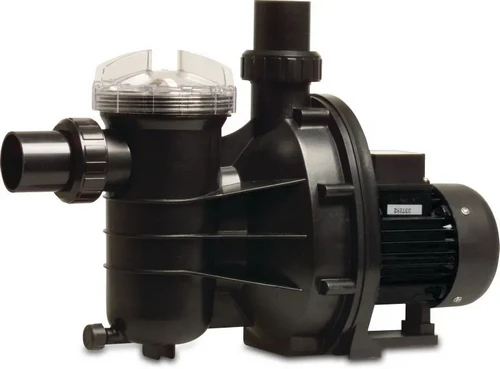
Flotide Pool pump 50 mm / 1 1/2" metric/imperial 4,7A 230VAC
Connection: metric/imperial glue socket
Transparent lid for easy checking
NSK bearing
Insulation: Class B
IP55 protection
Built-in thermal protection
Supplied including metric & imperial unions
Supplied with RCD differential plug
UK plug included
Flotide
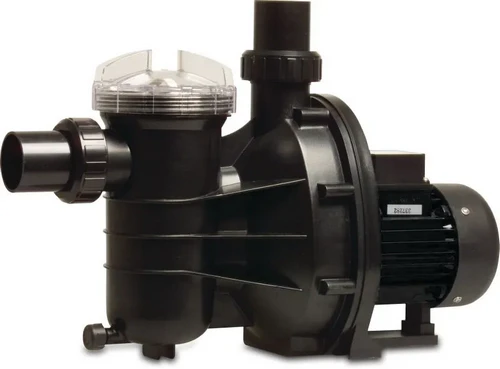
Flotide Pool pump 50 mm / 1 1/2" metric/imperial 3,5A 230VAC
Connection: metric/imperial glue socket
Transparent lid for easy checking
NSK bearing
Insulation: Class B
IP55 protection
Built-in thermal protection
Supplied including metric & imperial unions
Supplied with RCD differential plug
UK 3-pin plug included
Flotide
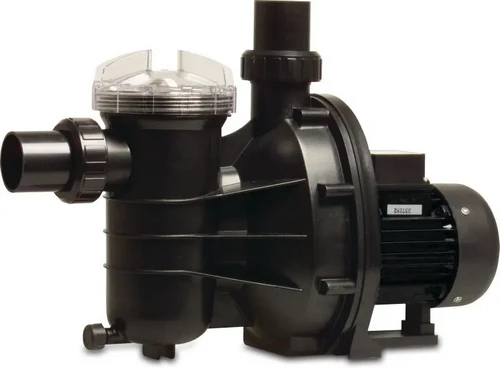
Flotide Pool pump 50 mm / 1 1/2" metric/imperial 2A 230VAC
Connection: metric/imperial glue socket
Transparent lid for easy checking
NSK bearing
Insulation: Class B
IP55 protection
Built-in thermal protection
Supplied including metric & imperial unions
Supplied with RCD differential plug
UK 3-pin plug included

Flotide
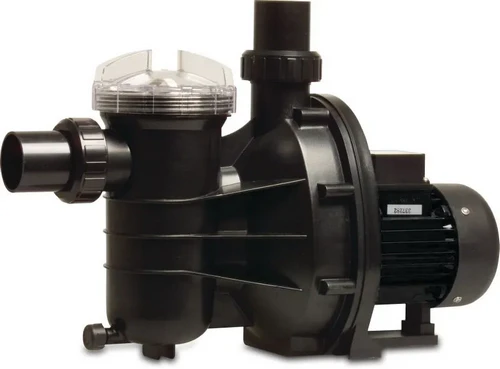
Flotide Pool pump 50 mm / 1 1/2" metric/imperial 2,5A 230VAC with RCD plug
Connection: metric/imperial glue socket
Transparent lid for easy checking
NSK bearing
Insulation: Class B
IP55 protection
Built-in thermal protection
Supplied including metric & imperial unions
Supplied with RCD differential plug
UK 3-pin plug included
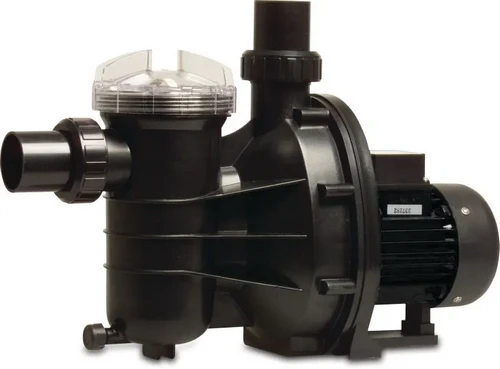
Flotide
Flotide Pool pump 50 mm / 1 1/2" metric/imperial 2,5A 230VAC
Connection: metric/imperial glue socket
Transparent lid for easy checking
NSK bearing
Insulation: Class B
IP55 protection
Built-in thermal protection
Supplied including metric & imperial unions
UK 3-pin plug included
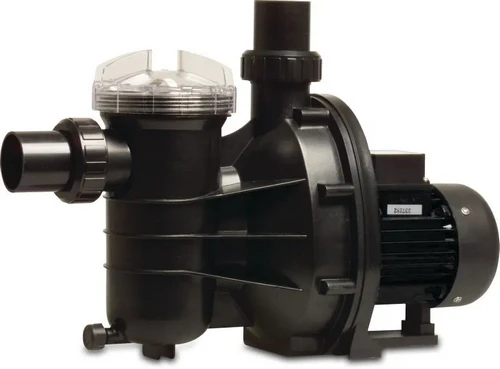
Flotide
Flotide Pool pump 50 mm / 1 1/2" metric/imperial 1,5A 230VAC
Connection: metric/imperial glue socket
Transparent lid for easy checking
NSK bearing
Insulation: Class B
IP55 protection
Built-in thermal protection
Supplied including metric & imperial unions
Supplied with RCD differential plug
UK 3-pin plug included

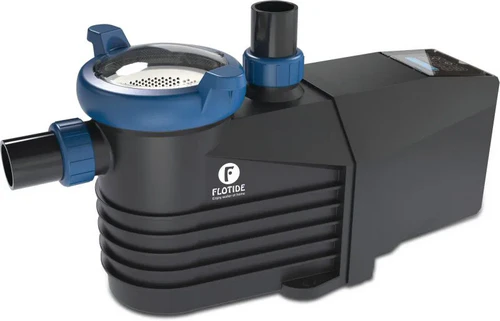
Flotide
Flotide Inverter pool pump 50/63 mm 3,8A 230VAC
Modbus and Wi-Fi connection
Noise level < 50 dB
Transparent lid with ring lock
3ltr strainer
Air ventilation through back cover to improve cooling efficiency
Detachable control panel
Permanent magnetic motor
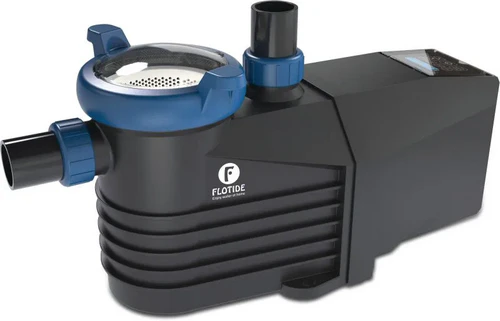
Flotide
Flotide Inverter pool pump 50/63 mm 2,6A 230VAC
Modbus and Wi-Fi connection
Noise level < 50 dB
Transparent lid with ring lock
3ltr strainer
Air ventilation through back cover to improve cooling efficiency
Detachable control panel
Permanent magnetic motor
Swimming Pool Pumps For Commercial and Domestic Use
A properly installed swimming pool pump plays a key role in the maintenance of a swimming pool. These pumps work by continuously or periodically moving pool water through the filtration system, allowing water to continuously move and treatment be distributed evenly.
Our range of pumps for swimming pools include sizes appropriate for different sized pools - from smaller residential pools to commercial baths.
Choosing suitable equipment is an important part of managing pool facilities. Commercial pools can experience considerably higher usage than domestic pools, meaning reliable circulation equipment is essential for maintaining consistent water quality and supporting effective filtration. Our pumps for swimming pools can also be suitable for domestic installations where dependable circulation is required. Whether you are replacing existing pumps or are browsing for new equipment for a new installation, selecting a model based on the pool’s size and system requirements can help to ensure efficient and appropriate operation.
Choosing The Right Swimming Pool Pump
Swimming pools can vary considerably in size, design and usage, so there is no single pump that suits all needs and every installation. The correct model for you should be selected according to factors such as pool volume, required flow rate, pipework, filtration equipment and overall design of the circulation system.
Our range includes multiple swimming pool pump models designed for different pool sizes. This allows you to choose equipment that is appropriately matched to your installation rather than relying on an unnecessarily large or undersized pump.
When replacing an existing pump, it’s also important to consider the current specifications of the system. Comparing flow requirements, connections, electrical requirements and other technical specifications can help ensure compatibility with the existing installation.
If you are unsure with which model is appropriate, contact us or speak to our friendly sales team for advice.
Replacing A Pool Pump
If an existing swimming pool pump has become damaged, unreliable or reached the end of its service life, replacing it with a suitable specified model can restore circulation.
When replacing a pump, check key details such as:
Pool volume
Required flow rate
Pump capacity
Electrical supply
Pipework and connection sizes
Filtration system requirements
Available installation space
Existing pump specifications
A replacement does not necessarily need to be identical to the original pump, but it should be compatible with the wider pool circulation system.
Why Do You Need A Swimming Pool Pump?
A swimming pool pump is designed to circulate water around the pool's circulation system. It draws water from the pool and moves it through equipment such as the filtration system before returning the treated water back into the pool. Effective circulation is an important part of maintaining pool water quality, as it ensures treatments are equally distributed through the volume of the pool and the water does not become stagnant, which would lead to development of algae, waterborne pathogens and breeding insects.
For more pool accessories, browse our range of pool cleaning robots and pool heat pumps.
Swimming Pool Pump FAQs
What size swimming pool pump do I need?
The required pump size depends on more than the physical dimensions of the pool. Volume, desired turnover rate, filtration requirements and resistance within the pipework all need to be considered. A pump should be selected based on its performance at the required operating conditions rather than simply choosing a model based on pool size. Always make sure to check manufacturer’s specifications and installation guides when selecting your pool pump.
How long should a swimming pool pump run?
The required operating schedule depends on the pool, pump, filtration system and usage. Commercial pools may have different circulation requirements from domestic pools, particularly where usage is high. The manufacturer’s recommendations and the requirements of the complete pool system should be followed when determining an appropriate operating schedule.
How often should a swimming pool pump be maintained?
Maintenance requirements depend on the specific pump and operating conditions. Regular inspection can help identify most issues such as leaks, unusual noises, reduced flow or other signs of wear. The manufacturer’s maintenance instructions should be followed, with servicing carried out at the recommended intervals.
Do swimming pool pumps need to run continuously?
Not always. Whether continuous operation is appropriate depends on the pool and its current system and filtration requirements. The pump should be operated in accordance with the manufacturer's guidance and the requirements of the particular installation.
What is the difference between a swimming pool pump and a filtration system?
A swimming pool pump is responsible for moving water through the circulation system, whilst a filter removes suspended contaminants from the water as it passes through the filtration equipment. The two components work together as part of the pool’s circulation and water-treatment system.