Trusted HVAC Experts SINCE 2014


Electric Radiators and Energy Efficient Radiators
Our wide selection of electric radiators and energy efficient radiators help to efficiently and effectively provide warmth to residential and commercial environments.
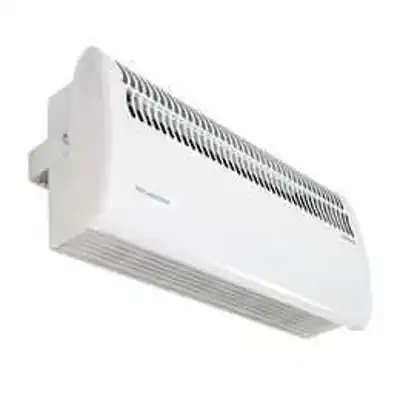
Consort Claudgen
Consort 3kW Heatzone High Level Fan Heater 3kW
- 3kW / 10,236BTU Heat Output
- Compatible With UK Outlets
- Versatile Control Options
- Quiet Operation: 44dB(A)
- Safety First Design
- 1-Year Warranty
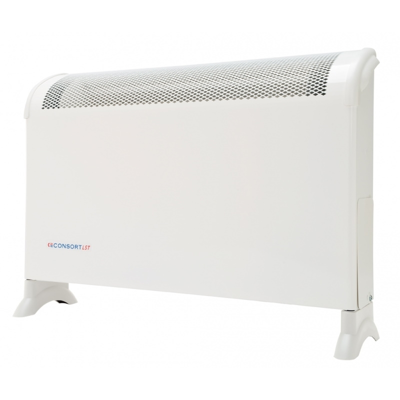
Consort Claudgen
Consort CN1MLSTFS LST Free Standing Heater 1kw
- 1kW Heating Power
- Mains Supply
- Freestanding with Feet Included
- 43°C Max. Surface Temperature
- Features Safety Mesh Grille & Anti-Tilt Switch
- 1-Year Warranty
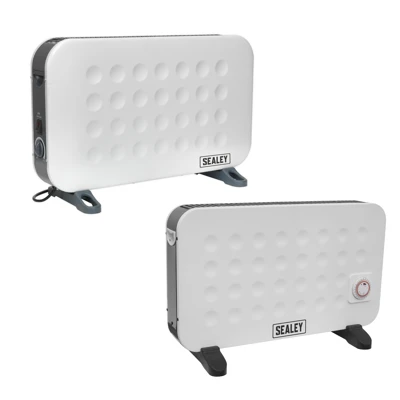
Sealey
Sealey CD2013 2000W Convector Heater 2kW
- 750/1250/2000w 3 Heat Settings
- 230V Mains Supply
- Various Sizes Available
- 1-Year Warranty
- Room Thermostat Included
- Built-in Turbo Fan

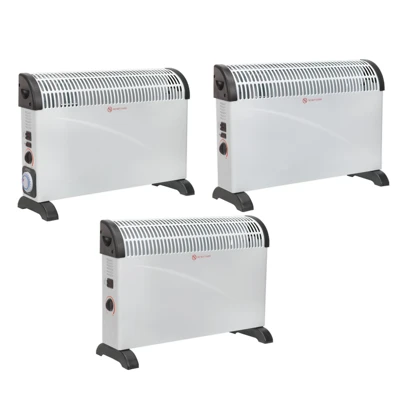
Sealey
Sealey CD2005 2kW Convector Heater (Turbo, Timer & Thermostat) 2kW
- 750/1250/2000W 3 Heat Settings
- 230V Mains Supply
- 420mm(H) x 595mm(W)
- 1-Year Warranty
- Sturdy Slimline Construction
- Controlled Room Thermostat
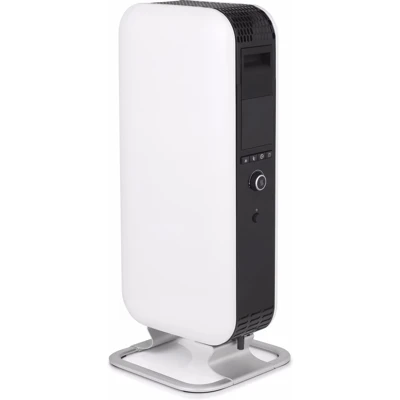
Mill
Mill AB-H1000DN Gentle Air Oil Filled Radiator 1kW
- 400/600/1000w 3 Heat Settings
- 220v Mains Supply
- 656mm(H) x 268mm(W)
- Mill Heat Boost Technology
- Tip-Over & Overheat Safety
- Exceptionally Heat Efficient
Electric Radiators For Modern Heating Solutions
Our extensive range of electric radiators and central heating radiators combine modern heating technology with stylish design, helping to create comfortable environments while maintaining control over energy consumption.
Whether you’re upgrading your heating system, renovating a property or specifying heating solutions for a commercial project, the electric radiators we supply are suitable for residential properties, offices, retail spaces, hospitality venues, educational facilities and more.
Trustworthy Electric Radiators
At National Heater Shops, the electric radiators and energy efficient radiators we provide are available from leading manufacturers trusted throughout the industry. We have options available from reliable brands such as REMKO, Consort Claudgen, Sunhouse, Radiwarm and Sealey amongst others. These heaters are robust, effective and are capable of delivering fast and responsive heat
Electric radiators carry a range of benefits, including:
Simple installation
No requirement for gas connections of extensive plumbing
Individual room temperature control through the use of thermostats or WiFi features
Reduce maintenance requirements
Energy efficient heating when used correctly
Energy efficiency is oftentimes a priority as it helps a consumer be both environmentally conscious and can potentially help save money. Electric radiators are considered energy efficient due to their individual controls, fast heat delivery and the clean heat they provide. As they can be used in individual rooms, it reduces wasted energy that some other centralised heating systems create.
Electric Radiators For Residential Properties
Homeowners value electric radiators for their combination of comfort, convenience and design flexibility. Available in a wide range of sizes, finishes and outputs, these heating solutions complement both traditional and contemporary interiors
Easy to install and operate, modern electric radiators deliver consistent warmth to areas such as living rooms, bedrooms, home offices, conservatories or apartments. These radiators also have commercial uses, in areas such as offices, retail spaces, hotels, educational facilities, rental properties and public sector buildings.
Electric radiators are ideal for settings where individual room control, zoning and ease of maintenance are advantageous. These units are also scalable, meaning they can be used alongside other means of heating, such as electric fan heaters or infrared heaters.
Electric Radiator FAQs
Are electric radiators energy efficient?
Modern electric radiators are designed to be highly efficient, converting virtually all of the electricity confused into usable heat.
Can electric radiators replace central heating radiators?
Yes, electric radiators can serve as a primary heating solution in many residential and commercial properties. They are particularly useful in buildings without access to gas heating or where installing traditional pipework would be impractical.
What size electric radiator do I need?
The correct radiator size depends on factors such as room dimensions, insulation levels, ceiling height, window area, and intended use of the space. Consulting a heating specialist can help ensure you select the appropriate output for optimal comfort and efficiency.
Alternatives To Radiators
Sometimes an electric radiator isn’t the most appropriate heating option. At National Heater Shops, we have heating solutions available for a variety of spaces and needs.
Electric Infrared Heaters are designed for efficiently spot warming individuals and objects within an area. Perfect for both indoor and outdoor use - with many options available.
For warming rooms and other small spaces fully, an Electric Fan Heater is designed to deliver consistent heat. We have a wide variety of electric fan heaters of different sizes, voltage and airflow.
Infrared Heating Panels offer a sleek and stylish alternative to radiators, as they are wall mounted units designed to omit a warming glow within a room or other small space.