


Understanding Energy-Efficient Heaters and Running Costs
Date: 11 November 2025
Efficiency vs. Performance
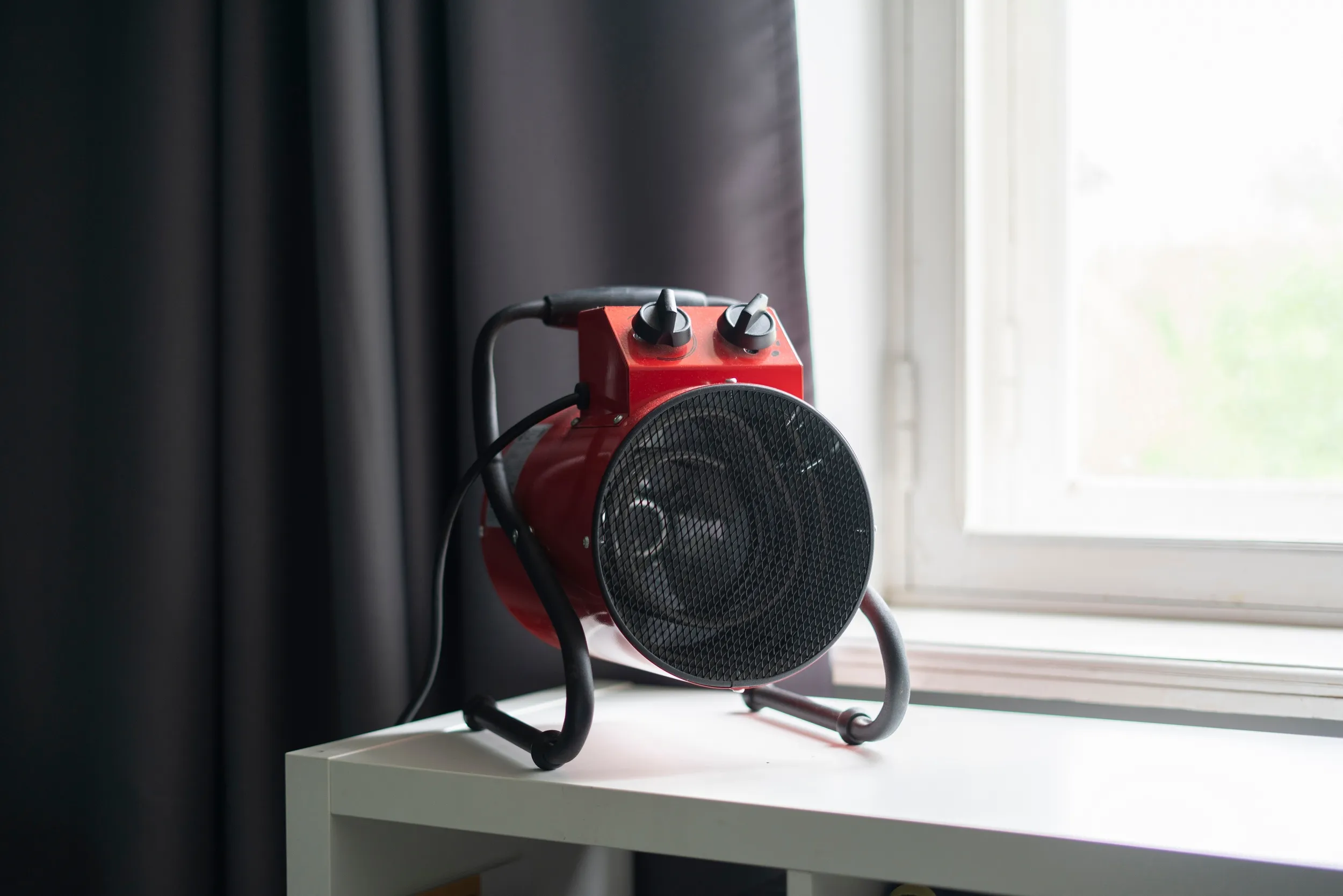
Efficiency is often misunderstood in the industry. Most electric heaters are 100% efficient at the point of use, but their operation efficiency depends on how they are managed. They normally fall into the following two categories:
Electric Fan Heaters:Convection fan heaters work by heating the air. In a high ceiling warehouse this heat can be lost, leading to increasing costs.
Electric Infrared Heaters:Infrared heaters on the other hand do not heat the air. They use electromagnetic waves to heat people and objects.
Calculate Your Investment
I recommend you calculate your spend using the following formula:
Formula: kW rating x hours used x electricity cost per kWh = running cost
My expert tip when buying for a site, factor in an additional 20% for heat loss. This will help units from short cycling or running at full power, which will shorten their lifespan.
Understanding Your Tariff
For domestic users, the cost per kWh will depend on your energy contract. This rate is influenced by Ofgem’s energy price cap, which is reviewed every three months. I recommend keeping up with these shifts, particularly for budgeting.
Electric vs. Fuel Fired
It feels like we have reached a tipping point in 2026. The move to electric, away from diesel and paraffin, I think is driven by these three factors:
Compliance: HSE (Health and Safety Executive) guidance places monitoring of fuel fired units. Then there is the flue problem. Electric units are flueless by design, so to me it’s a no brainer.
Maintenance: Often people focus on the cost of the fuel and forget how costly maintenance of the unit can be. A diesel heater will build up with carbon every month, and will need a service every year. An electric heater is efficient from day one until the end of its life.
Sustainability: If you have a large roof on your industrial site, you can easily offset your heating costs with Solar PV. If your company is aiming for Net Zero, fuel fired heating is a Scope 1 emission and is not easy to offset.
As the tax on diesel continues to increase, the 2026 shift is about future proofing. As electricity becomes cheaper through solar and wind, fuel fired units are quickly becoming a thing of the past.
Tried & Tested Solutions
I have used the following products on site, in our warehouse, and with our technical team at National Heater Shops HQ:
Olympus JetHeat OLY-J3/1
I tested this electric fan heater out in a workshop environment, but it would be perfectly suitable for construction or while working in the garage on a Sunday afternoon. Its dual heating setting and built in thermostat help to conserve energy. The Olympus pulls only the required power to maintain a set temperature, preventing it from overheating.
Elite Heat MK3 Portable Infrared Heater
I got to test the Elite Heat MK3 out in our warehouse, and even with the draughty bays and the cold January air, employees seemed happy and warm. By using several units strategically placed at workstations, I was able to reduce energy consumption by around 50%, compared to heating the entire warehouse.
Prem-I-Air Slimline Electric Panel Heater
The Prem-I-Air was already set up at our head office location. Our technical team said this is perfect for background heating due to its Lot 20 compliance. It has an “Open Window Detection” feature which automatically detects a sudden temperature drop. If you’re looking to prevent wasting energy in an office space, this is the one for you.
Selecting the Right Heater
Choosing the wrong heater will simply never heat the space correctly. You’ll end up running the unit all day without it ever reaching the setpoint. This is probably the most expensive way to heat a building.
Selecting the right heater is about matching the environment to the technology:
Factories & Warehouses: The technology here would be infrared. It bypasses the air and heats the person directly, crucial where roller shutter doors are frequently open.
Office & Retail: LST (Low Surface Temperature) panels are essential for retail and offices. The outside of the unit never exceeds 43°C, preventing accidental burns. They look aesthetically pleasing too.
Construction Sites: Construction sites are harsh environments. Electric heater fans have steel casings and can withstand the rough conditions on site. For shock mitigation, HSE favours 110V CTE (Centre Trapped to Earth) power for portable equipment.
Turn Heat into Savings
You don’t have to guess your energy bills, use our infrared/ radiant heat calculator to accurately determine the needs for your space.
Frequently Asked Questions
I’ve heard electric heaters are expensive to run in commercial buildings, is this true?
It’s true that electricity costs more than gas, but electric heaters operate at nearly 100% efficiency at the point of use. Poor heat management is usually the cause in commercial places. Practise zone heating by only heating areas that are used, and businesses often see a drop in energy costs.
I’m looking to heat my warehouse, what type of energy efficient heater do you recommend?
For warehouses and factories, short-wave infrared (Radiant) heaters work best. Infrared travels in a straight line to heat people, convection heaters waste energy as warm air rises in a high ceiling warehouse.
How do I calculate the cost to run an electric heater?
Multiply the kilowatt rating of the heater by the number of hours used and the cost of electricity per kWh. For well insulated spaces, I would calculate a 75% duty cycle to give a more realistic figure.
Do thermostats really reduce energy consumption?
Significantly. They prevent the heaters from running all day and stop drawing power when the set temperature has been reached.
Is electric heating more future proof than diesel or gas?
Yes, for three reasons:
Compliance: Electric will avoid on site emissions and bypass any “Clean Air Zones”.
Maintenance: With no combustion or moving parts, there are no bearings to seize or belts to snap.
Decarbonisation: As electric heat integrates with renewable energy sources, it’s the only technology becoming greener.
Partner with National Heater Shops
Our team of technical experts can help you calculate things like heat loss, or help you select the most efficient kilowatt output for your space. We offer a price match Promise and rapid UK delivery to ensure your facility stays warm.