


Stay Warm In Winter With The Perfect Electric Heater
Date: 2 October 2023
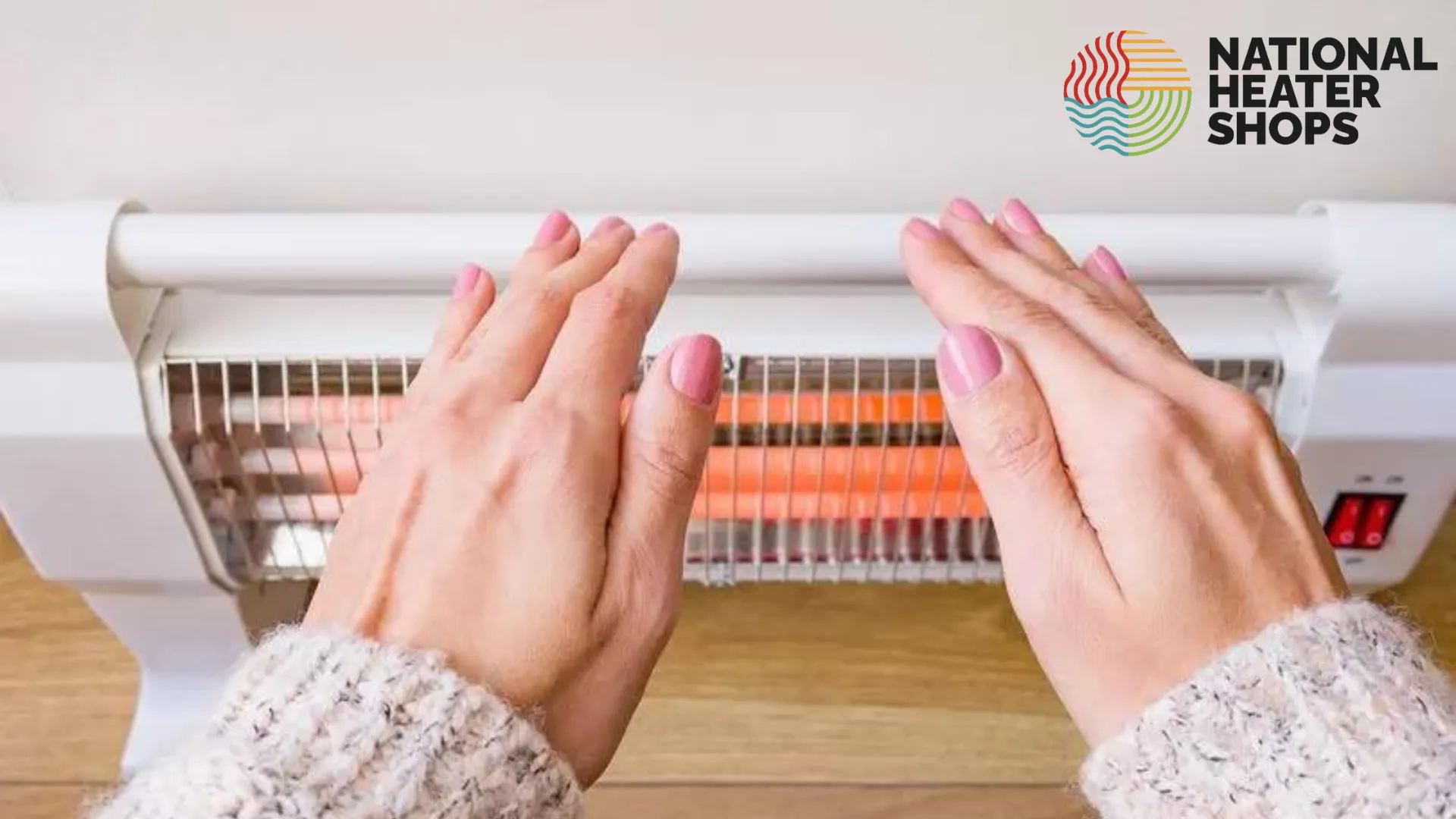
When winter temperatures drop across the UK, relying on a single whole-house central heating system often wastes energy warming unoccupied bedrooms, hallways, or spare offices just to keep one primary living area or workstation comfortable.
Electric heaters deliver targeted, controllable warmth precisely where and when you need it without requiring expensive wet pipework extensions, boiler upgrades, or external exhaust flues. Whether you are a homeowner warming a chilly home office, a tenant needing portable comfort in a draughty flat, or a facilities manager specifying high-output heating for a commercial workshop or warehouse, selecting the right electric heater prevents cold spots and keeps running costs predictable.
Why Choose an Electric Heater This Winter?
Electric heating equipment offers distinct operational advantages over extending wet central heating systems or deploying fuel-burning space heaters indoors.
Convenient Heating for Individual Rooms and Spaces
Heating a single occupied room, such as a home study during weekday working hours or a living room in the evening, allows you to keep your main central heating thermostat on a lower background setback temperature. Instead of burning gas to circulate hot water through ten radiators across an empty house, a thermostatically controlled electric heater warms only the space you actively occupy.
Flexible Heating Without Extending a Wet Central Heating System
Adding a new wet radiator to a loft conversion, conservatory, garage workshop, or rear extension requires draining down central heating circuits, lifting floorboards, routing copper pipework, and balancing hydraulic valves. Electric heaters bypass plumbing alterations entirely, operating cleanly from existing single-phase or three-phase electrical supplies.
A Choice of Portable and Fixed Heating Options
Electric heaters span lightweight portable units fitted with carry handles or castors alongside sleek wall-mounted panels and suspended industrial arrays. Tenants and homeowners can move portable heaters from room to room throughout the day, while property owners and commercial facilities managers can install permanent wall-mounted fixtures equipped with tamper-proof digital programmers.
Suitable Solutions for Domestic, Commercial, and Industrial Environments
Because electric resistance and infrared heaters produce zero local combustion emissions, carbon monoxide, or water vapour, they operate safely inside sealed indoor spaces where unvented gas or diesel heaters are prohibited. Models range from compact 0.5 kW domestic frost-watch units up to 30 kW+ three-phase industrial fan heaters engineered for distribution centres and manufacturing floors.
What Are the Different Types of Electric Heaters?
Understanding how different electric heaters transfer thermal energy into a room prevents you from buying an appliance suited to a small bedroom for a draughty workshop, or vice versa.
Electric Fan Heaters for Fast, Responsive Heating
Electric fan heaters draw cool room air across an internal resistive wire or ceramic heating element and propel warmed air outward using an axial or tangential fan.
Typical applications: Quick spot heating in home offices, bathrooms (IP-rated wall models), utility rooms, and small workshops where immediate warmth is required for short periods.
Advantages: Rapid heat-up times within seconds of switching on, compact footprints, lightweight portability, and even air mixing across small spaces.
Limitations: Audible fan motor noise during operation, and air warmth dissipates quickly once the unit switches off or if doors open frequently.
You can shop portable electric fan heaters for fast room heating to compare compact domestic ceramic units alongside rugged trade models.
Electric Panel Heaters for Steady Room Heating
Electric panel heaters house enclosed aluminium or steel heating elements inside slimline wall-mounted or freestanding casings, warming rooms primarily through natural convection (where cool air enters through bottom vents, warms across internal fins, and rises smoothly out of top grilles) paired with gentle surface radiation.
Typical applications: Bedrooms, living rooms, hallways, home offices, and commercial office suites requiring quiet, sustained background warmth.
Advantages: Completely silent operation (zero moving fan parts), slim architectural profiles, accurate digital thermostats, and 7-day Lot 20 compliant programmers.
imitations: Slower initial warm-up time compared to fan heaters, and warm convective air rises toward high ceilings in uninsulated rooms.
Explore our range of electric panel heaters and electric radiators for silent, programmable domestic comfort.
Infrared Heaters for Targeted Radiant Warmth
Electric infrared heaters pass electrical current through a tungsten halogen lamp, carbon fibre filament, or heated ceramic/panel surface to emit electromagnetic infrared waves. Unlike convective heaters that warm air volume, infrared radiation travels straight through cold air and converts into warmth the moment it strikes solid surfaces, including skin, clothing, desks, and floors.
Typical applications: High-ceilinged conservatories, draughty workshops, warehouse packing stations, church pews, and semi-open loading bays where warm air would otherwise escape rapidly.
Advantages: Instantaneous directional warmth without pre-heating empty air volume, zero airborne dust circulation, and immunity to air draughts.
Limitations: Requires a clear line of sight (furniture or machinery blocks radiant rays, creating "thermal shadows"), and ambient air temperature stays cooler during brief sessions.
Discover electric infrared heaters for targeted warmth to compare low-glare carbon lamps with zero-light far-infrared architectural panels.
Electric Convection Heaters for Circulating Warm Air
Freestanding electric convector heaters operate on natural thermal air currents, or optional turbo-boost fans, drawing cold air in at floor level and releasing warm air upward.
Typical applications: Spare bedrooms, student accommodation, conservatories, and living areas needing portable whole-room air circulation.
Advantages: Lightweight, affordable, silent in natural convection mode, and capable of warming entire small-to-medium rooms evenly.
Limitations: Floor-standing units occupy floor space, and grilles must remain completely unobstructed by curtains or furniture.
Industrial Electric Fan Heaters for Workshops, Warehouses, and Larger Spaces
Industrial electric fan heaters combine heavy-gauge powder-coated steel casings, high-output stainless-steel heating elements (typically 3 kW to 30 kW+), and high-airflow commercial fans designed to push warm air across large floor spans.
Typical applications: Vehicle repair garages, fabrication workshops, warehouses, agricultural buildings, and construction fit-outs.
Advantages: High cubic-metre-per-hour airflow prevents cold air pooling at floor level, rugged chassis resist knocks and dust, and zero exhaust flues or fuel deliveries are needed.
Limitations: Models above 3 kW cannot plug into standard domestic 13 A sockets, requiring 16 A, 32 A, or three-phase 400 V industrial electrical supplies.
Electric Heater Type | Primary Heat Transfer Mechanism | Warm-Up Speed | Noise Profile | Best Suited Environment |
Domestic Electric Fan Heater | Forced-air convection | Instant (under 30 seconds) | Low to moderate fan hum | Small studies, quick spot heating, utility rooms |
Electric Panel Heater | Natural convection + gentle radiation | Moderate (15–30 minutes) | Completely silent | Bedrooms, living rooms, insulated offices |
Electric Infrared Heater | Direct electromagnetic radiation | Instant (short/medium-wave) or 10 mins (far-IR) | Completely silent | Draughty spaces, conservatories, high-bay workstations |
Electric Convector Heater | Natural air convection (optional fan boost) | Moderate (10–20 minutes) | Silent (unless boost fan active) | Spare bedrooms, portable whole-room heating |
Industrial Electric Fan Heater | High-velocity forced-air convection | Fast across large volumes | Moderate to high industrial airflow | Workshops, garages, warehouses, factories |
How to Choose the Perfect Electric Heater for Your Space
Selecting an electric heater that delivers comfortable warmth without tripping circuit breakers or wasting electricity requires checking seven practical specification criteria before purchasing.
1. Consider the Size and Dimensions of the Room
Measure your room's floor area in square metres (Length × Width) and check ceiling height. A room with standard 2.4-metre ceilings holds far less air volume than a vaulted conservatory or a 5-metre-high workshop. Also account for window glazing (single-glazed vs. double-glazed), external solid walls, and draughts around doors.
2. Match the Heater's kW Output to the Heating Requirements
As a practical UK sizing rule of thumb for rooms with standard 2.4-metre ceiling heights:
Well-insulated modern rooms: Allow 70 W to 85 W per square metre of floor area.
Average UK rooms (double glazing, cavity walls): Allow 100 W per square metre of floor area.
Poorly insulated rooms, older solid-wall properties, or conservatories: Allow 120 W to 150 W per square metre (or calculate heat output by cubic volume).
Buying an undersized 1 kW heater for a large, chilly 25 m² conservatory forces the element to run at 100% duty cycle continuously without ever reaching a comfortable room temperature. You can use our heating calculator to estimate your heating requirements before selecting an output rating.
3. Decide Between Portable, Freestanding, and Wall-Mounted Heaters
Portable / Freestanding heaters: Best when you want to heat a living room in the evening and move the same unit into a study the next morning, or when renting a property where drilling walls is restricted.
Wall-mounted heaters: Best for permanent rooms, hallways, bedrooms, and commercial offices. Mounting heaters cleanly on walls frees up floor space, prevents accidental knocks, and improves convective airflow circulation.
4. Consider the Available Electrical Supply and Voltage
In the UK, standard domestic 230 V 13 A ring-main sockets support a maximum continuous load of 3,000 W (3 kW). Any single portable heater rated up to 3 kW can plug safely into an undamaged wall socket.
If your workshop, warehouse, or commercial unit requires 4.5 kW, 9 kW, 15 kW, or 30 kW of electric heating capacity, those units must connect via dedicated 16 A or 32 A single-phase industrial commando sockets or 400 V three-phase distribution boards installed by a qualified commercial electrician.
5. Think About Noise Levels and Airflow
Always match acoustic output to room activity:
Bedrooms, studies, and consultation rooms: Choose silent electric panel heaters, oil-filled radiators, or far-infrared panels with zero fan blades.
Garages, loading bays, and busy workshops: High-velocity industrial fan heaters circulate warm air effectively across cold concrete floors where fan noise is unobtrusive.
6. Compare Thermostats, Timers, and Adjustable Heat Settings
Under UK Ecodesign (Lot 20) regulations for local space heaters, fixed electric space heaters sold for domestic and commercial use must incorporate accurate electronic temperature controls, 7-day programmable timers, or adaptive start/open-window detection features. Look for:
Digital thermostats (accurate to ±0.2°C–0.5°C): Prevent overheating and cut power the instant target comfort is reached.
Multiple heat settings (e.g., 1 kW / 2 kW): Allow you to drop power draw once the room warms up.
24/7 programmable schedules or Wi-Fi app control: Automate pre-heating 20 minutes before you wake up or enter your office.
7. Check Safety Features and Manufacturer Specifications
Verify that your chosen heater carries UKCA/CE compliance markings, an internal thermal overheat cutout, and, for freestanding units, an automatic tip-over switch that isolates power immediately if knocked over. For bathrooms or damp utility zones, verify the exact Ingress Protection (IP) rating (such as IP24 or IPX4 splash-proofing) and confirm permitted bathroom zone placement with a qualified electrician.
Which Electric Heater Is Best for Each Room or Environment?
Because thermal insulation, ceiling height, and occupancy duration vary dramatically from room to room, tailoring your heater choice to each environment delivers superior comfort and lower running costs.
Bedrooms and Living Rooms
Living rooms and bedrooms benefit from steady, silent warmth over multi-hour evening or overnight periods. Wall-mounted electric panel heaters or thermostatic electric radiators maintain stable ambient temperatures between 18°C and 21°C without fan noise disturbing sleep or television viewing.
Home Offices and Studies
Remote workers sitting still at a desk for eight hours feel cold quickly if room temperatures drop below 19°C. A compact 1.5 kW to 2 kW ceramic fan heater warms a small study within minutes at the start of the workday, while an under-desk or wall-mounted low-wattage infrared panel provides continuous, silent warmth directly to your workstation without heating the rest of the house.
Conservatories and Extensions
Conservatories feature expansive glass roofs and walls that lose heat rapidly after sunset. Standard convective heaters struggle to overcome cold downdraughts from glazing. Mounting medium-wave low-glare infrared heaters onto structural dwarf walls or roof rafters directs instant radiant warmth onto seating areas without wasting electricity warming the glass roof peak.
Garages and Workshops
Uninsulated brick or steel garages suffer from cold concrete floors and frequent roller-door openings. Deploy rugged industrial electric fan heaters (3 kW single-phase for single garages, or 9 kW–15 kW three-phase for commercial workshops) to circulate warm air across workbenches, or position overhead short-wave infrared heaters directly above stationary mechanic bays.
Offices, Shops, and Commercial Premises
Retail shops and commercial offices require discreet aesthetics, programmable business-hour schedules, and compliance with the Workplace (Health, Safety and Welfare) Regulations 1992 (which guide minimum indoor temperatures of 16°C for general work, or 13°C for strenuous physical work). Slimline commercial panel heaters and recessed ceiling far-infrared panels deliver clean, maintenance-free climate control.
Warehouses and Industrial Environments
High-bay warehouses with 8-metre to 12-metre eaves lose convective warm air straight into the roof apex. Rather than attempting to heat millions of cubic metres of air, facilities managers combine high-velocity suspended industrial fan heaters (fitted with downward louvres) for enclosed packing zones alongside zoned high-output infrared arrays aimed directly at dispatch desks and assembly lines.
Are Electric Heaters Energy Efficient?
Evaluating electric heater efficiency requires separating electrical conversion efficiency from real-world operating costs.
Point-of-Use Conversion vs. Operating Cost
Every conventional electric resistance heater, whether a £30 portable fan heater or a £400 designer wall panel, converts nearly 100% of the electricity it consumes into heat at the point of use. A 2 kW heater draws 2 kWh of electricity per hour of continuous full-power operation and outputs 2 kW of heat.
However, 100% point-of-use efficiency does not make electric heating cheap to run continuously across an entire uninsulated property. Under the Ofgem energy price cap for 1 October to 31 December 2026, the average UK Direct Debit unit rate for electricity is 26.32 pence per kWh (with 0% VAT applied from 1 October 2026 to 31 March 2027), compared to 7.97 pence per kWh for mains gas. Because grid electricity costs more than three times as much per kilowatt-hour as mains gas, electric heaters are most economical when used selectively for targeted room heating, short-duration boost warmth, or spaces disconnected from wet central heating.
Convection vs. Radiant Delivery Efficiency
Convective heaters must warm the entire air volume of a room before occupants feel comfortable. In well-insulated, draught-free rooms, thermostats cycle the element off frequently once air reaches 20°C, keeping energy use moderate.
Radiant infrared heaters warm people and solid surfaces directly without pre-heating empty air. In draughty rooms, conservatories, or high-ceilinged workshops, radiant heating often delivers comfortable warmth using fewer total kilowatt-hours because you do not pay to heat air that immediately escapes.
Managing Consumption with Controls and Room Insulation
Closing internal doors, drawing thermal curtains at dusk, sealing window draughts, and dropping your thermostat setpoint by just 1°C reduces the heater's active duty cycle (the percentage of time the heating element draws full electrical current), cutting energy consumption noticeably without sacrificing comfort. Browse our energy efficient heating solutions to compare smart-controlled models.
How Much Does It Cost to Run an Electric Heater?
You can calculate the exact running cost of any electric heater using three numbers: the heater's power rating in kilowatts (kW), your hours of active operation, and your electricity tariff unit rate in pence per kWh.
Actual running costs depend on your specific fixed or variable electricity tariff, regional standing charges, outdoor temperatures, and how well your room retains heat.
Heater Power Rating | 1 Hour at 100% Output (at 26.32p/kWh) | 1 Hour at 50% Thermostatic Duty Cycle | 4 Hours Daily at 50% Duty Cycle |
1.0 kW (1,000 W) | £0.26 | £0.13 | £0.53 |
1.5 kW (1,500 W) | £0.39 | £0.20 | £0.79 |
2.0 kW (2,000 W) | £0.53 | £0.26 | £1.05 |
3.0 kW (3,000 W) | £0.79 | £0.39 | £1.58 |
Electric Heater Safety: What Should You Look For?
High-wattage electric heaters draw significant electrical current and generate intense surface or element temperatures. Following strict operational safety rules prevents electrical fires and overheating hazards:
Plug high-wattage heaters directly into wall sockets: Never plug a 2 kW or 3 kW electric heater into coiled extension leads, multi-way cube adapters, or cheap unrated trailing sockets, which can overheat and melt under sustained high amperage.
Enforce strict combustible clearances: Keep portable and wall-mounted heaters at least 1.0 metre clear of curtains, bedding, sofas, laundry drying racks, cardboard boxes, and flammable solvents. Never drape clothing or towels over any electric heater unless the unit is explicitly certified as a towel rail.
Verify overheat protection and tip-over switches: Ensure freestanding heaters feature an automatic tilt switch that cuts power immediately if knocked over by children or pets, alongside a thermal cutout that trips if intake grilles become blocked by dust.
Inspect plugs, cords, and casings before winter: Check power cables for fraying, scorch marks, or loose plug pins before plugging in stored heaters each autumn. Never operate damaged electrical appliances.
Never leave portable heaters running unattended overnight: Switch portable fan and convector heaters off before sleeping or leaving the property, relying on permanently installed, timer-controlled wall heaters for scheduled background warmth.
Tips for Getting the Most from Your Electric Heater
Maximise thermal comfort and minimize wasted kilowatt-hours with five practical operating habits:
Close doors to the room you are heating: Containing warm air inside a single room lets the heater's thermostat reach target temperature rapidly and cycle off, cutting energy draw by half or more.
Set sensible target temperatures: Aim for 18°C to 21°C in living areas and home offices rather than overheating rooms to 24°C.
Position heaters away from draughts and under cold windows: Placing convective panel heaters on cold exterior walls beneath windows counteracts downward cold air currents and distributes warm air smoothly across the room.
Clean intake grilles and dust vents monthly: Vacuuming dust accumulation off rear intake grilles and top outlet louvres maintains unrestricted airflow and prevents thermal cutouts from tripping.
Pair heating with basic draught-proofing: Fitting brush strips under doors and closing curtains at dusk traps paid warmth inside the room.
Why Buy Your Electric Heater from National Heater Shops?
Selecting heating equipment through an established UK HVAC specialist ensures you purchase authentic, safety-certified appliances matched accurately to your room or commercial facility. National Heater Shops supplies an extensive catalogue of domestic, commercial, and industrial heating equipment from trusted manufacturers including Dimplex, Master Climate Solutions, Consort Claudgen, Sealey, Broughton EAP, and Thermobile.
Whether you need a silent Lot 20 compliant wall panel for a home bedroom, a splash-proof heater for a bathroom, or a heavy-duty three-phase fan heater for a warehouse, our technical specialists provide clear sizing guidance, transparent specifications, and reliable UK delivery. You can visit National Heater Shops for specialist heating advice or discover specialist heating equipment for commercial and industrial spaces to compare verified models.
Find the Perfect Electric Heater for Winter
Staying warm through winter without overspending starts with matching the right electric heating technology to your room size, insulation quality, and daily schedule. Choose silent electric panel heaters for steady whole-room comfort, fast-acting ceramic fan heaters for short-duration office boosts, targeted infrared heaters for draughty conservatories and high-bay workstations, and heavy-duty industrial fan heaters for workshops and commercial premises.
Explore our full online range today to browse our complete range of electric heaters and browse our domestic and home heaters so your home or workplace stays warm, safe, and comfortable all winter long.
Frequently Asked Questions About Electric Heaters
What is the most economical type of electric heater to run?
All conventional electric resistance heaters convert 100% of consumed electricity into heat, meaning a 2 kW fan heater and a 2 kW panel heater use the exact same amount of electricity per hour at full output. However, heaters equipped with accurate digital thermostats, 7-day programmable timers, and open-window detection, alongside targeted infrared heaters that warm people directly without heating empty air in draughty rooms, keep running costs lowest in everyday use by reducing active runtime.
How much does it cost to run a 2kW electric heater per hour in the UK?
Using the Ofgem energy price cap average Direct Debit electricity rate of 26.32p per kWh (for October to December 2026), running a 2 kW electric heater continuously at 100% maximum output costs 52.6 pence per hour. Once your room reaches temperature and a digital thermostat cycles the heating element on and off at a 50% duty cycle, the average cost drops to roughly 26.3 pence per elapsed hour.
Can I plug a 3kW electric heater into an extension lead?
No. A 3 kW (3,000 W) heater draws roughly 13 Amps of continuous electrical current, the maximum rated capacity of a standard UK plug and socket. Running a 3 kW heater through a domestic extension lead, especially if partially coiled, risks severe overheating and electrical fire. Always plug high-wattage portable heaters directly into a dedicated, undamaged wall socket.
What size electric heater do I need for a bedroom or home office?
For an average insulated UK bedroom or home office with standard 2.4-metre ceilings, allow approximately 100 watts per square metre of floor space. A typical 10 m² to 12 m² study or bedroom heats comfortably with a 1.2 kW to 1.5 kW electric panel heater or ceramic fan heater, whereas a larger 18 m² to 20 m² living room generally requires a 2.0 kW unit.
Are infrared heaters better than fan heaters for winter?
Neither technology is universally better; each excels in different conditions. Electric fan heaters warm enclosed, well-insulated rooms rapidly by circulating heated air throughout the space, making them ideal for quick office or living room boosts. Infrared heaters warm people and solid surfaces directly without heating air, making them far more effective in draughty conservatories, high-ceilinged rooms, garages, and workshops where warm air would otherwise rise or escape.