


Do Pesticides Work on Bed Bugs?
Date: Invalid Date
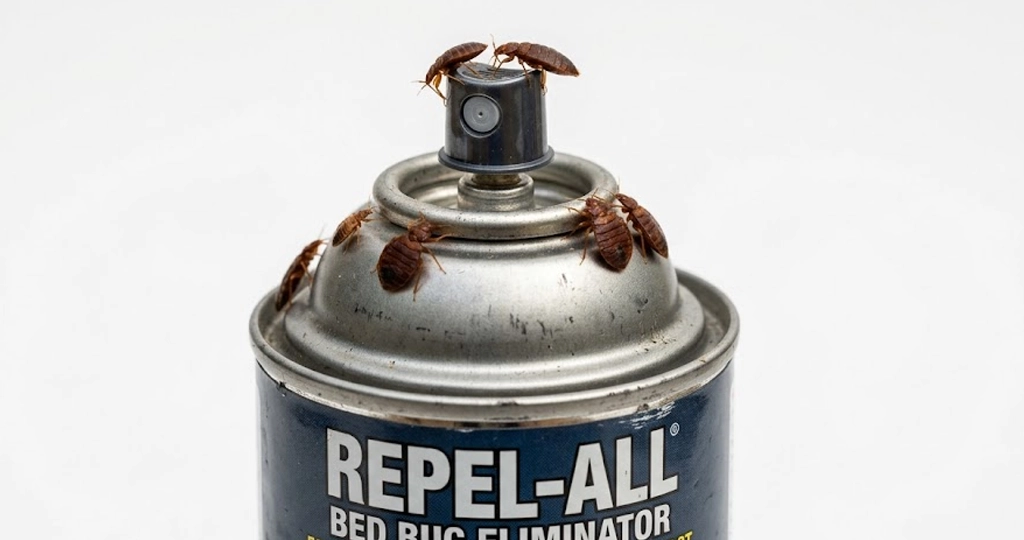
What are Pesticides?
Pesticides are often used in extermination processes. They are capable of killing pests by interrupting their vital biological processes, making them incompatible with life. Pesticides are used in countless industries and are used to remove many different types of pests. As a result, there are different types of pesticides, which are designed for completing different tasks, which include:
Insecticides: Designed to kill pests
Herbicides: Designed to kill unwanted plants
Fungicides: Designed to reduce the spread of fungi.
Pesticides work effectively for many of their applications, however there is research that casts doubt on how reliable they are when it comes to killing bed bugs.
Do Pesticides Work On Bed Bugs?
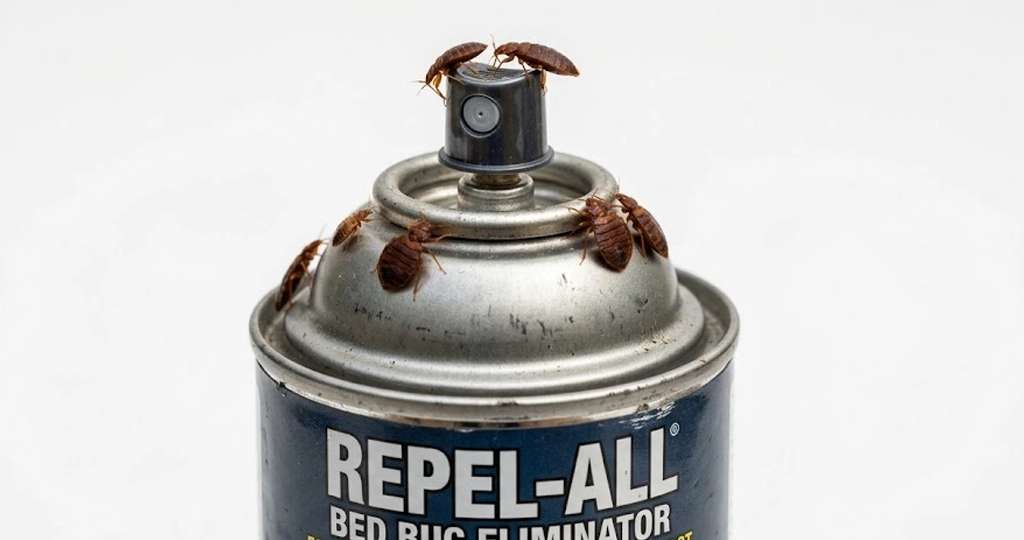
Many pest control companies use pesticides during their bed bug eradication process, however there is limited evidence to suggest that they are effective. Multiple studies by the US have come to the conclusion that bed bugs have developed resistances to neonicotinoids, which are one of the most frequently used insecticides in the world. This study was reiterated in an article by the BBC, who also report that bed bugs are capable of adapting swiftly to pesticides, rendering them useless.
A study published in the journal Scientific Reports suggests that bed bugs are capable of producing more enzymes in order to metabolise insecticides quickly, which makes them ineffective. This study also concluded that beyond just an increase in enzymes, bed bugs also have robust cuticular protein which can also increase resistance to pesticides.
As a result, these little bugs are both highly resistant and highly adaptive, making them difficult to kill using chemical pesticides alone.
Chemical treatment is an unreliable choice when it comes to killing bed bugs, as many bed bugs are resistant to its effects, and it is incapable of preventing new bed bugs from hatching. Female bed bugs can produce up to seven eggs per day, meaning any eggs previously laid before chemical treatment is applied are still at risk of hatching, resuming the infestation.
Some pest control companies still choose to use pesticides and chemical treatments, but they should be only used as a spot treatment and with correct guidance and precautions in place, as they can have negative effects for other living creatures such as pets, or could lead to skin or respiratory irritation.
Effective Bed Bug Treatment
Since bed bugs are capable of resisting the effects of pesticides, other extermination options need to be examined when eradicating a bedbug infestation. Only heat treatment is 100% effective at killing bed bugs at all stages of their lifecycle, making it the most reliable form of bed bug control.
What is Heat Treatment?
Professional heat treatment is carried out by heating units placed directly or indirectly into the affected room. These pest control heaters are designed to maintain a temperature that is optimal for killing bed bugs and their eggs.
A temperature of 50°C is capable of killing bed bugs at all stages of their lifecycle instantaneously. Many professionals choose to aim for a sustained temperature of 60°C to allow heat to penetrate deeper into mattresses and cushions, to ensure full coverage of a room. This reduces the risk of eggs or well-hidden bugs surviving and re-establishing the population.
Heat treatment works by creating an inhospitable environment for bedbugs. It does this by raising the temperature so high that it breaks down the bug’s proteins faster than they can be produced, thus interrupting their DNA and killing them. This impacts adult bugs, nymphs and their eggs respectively.
How is Heat Treatment Completed?
If you have bed bugs, heat treatment may be necessary to fully eradicate them from your space. You can use our article about what bed bugs look like to help identify whether you have an infestation or not.
Heat treatment involves clearing a room or space of all items that are not infested with bed bugs, and applying heat to the space whilst the affected items are still in the room. Typically, a room is decluttered and vacuumed thoroughly before treatment, and unaffected items quarantined in bags away from the area. All bedding and clothes should be washed and dried thoroughly at 60°C to ensure bed bugs are not hiding inside before being quarantined.
Heat sensitive items such as certain plastic items, wax, vinyls or electronics that are not rated for extreme heat should also be removed before heaters are installed in the space.
All cupboard and wardrobe doors should be opened and all furniture moved 6 inches from the wall to allow for maximum coverage during heat treatment.
For a more comprehensive list of items that should and shouldn’t be in a room during heat treatment, read our article about whether heat treatment is safe for electronics.
Pest control specialists often use multiple heating units to complete professional heat treatment. This is to ensure the appropriate temperature is reached and maintained. Depending on the company and the location, they can opt for direct units which sit inside the room, or indirect units that sit outside the room and duct their heat inside the room. The Master EKO 9 is a popular choice for pest control companies as it is portable, robust and easily scalable.
The room will be sealed to prevent heat from escaping during the treatment, and the internal temperature will be monitored by the experts using a remote controlled thermostat. The heat is sustained for upwards of 90 minutes to ensure complete coverage and maximum effectiveness.
To learn more about heat treatment and its process, check out our article about bed bug heat treatment.
Spot Treatment For Bed Bugs
After heat treatment has been completed, some experts choose to apply spot treatment to common problem areas. This could either be a chemical treatment or steam treatment. Chemical spot treatment is commonly used as it leaves residue, which can potentially kill any bed bugs if they dare to return.
Steam Treatment For Bed Bugs
Steam treatment works in a similar way to heat treatment. Steamers reach incredibly high temperatures (from 160°C to 180°C) which instantly kills bed bugs on contact. As steamers are a handheld device, they are best used for spot treatment as coverage is lower than a traditional bed bug heater, despite being as effective.
At National Heater Shops, we have a range of professional grade bed bug steamers, designed for decontamination and effective eradication. The Polti Cimex Eradicator is a popular choice amongst professionals as it offers a dry steam and disinfectant qualities, which makes it perfect for both killing bugs and cleaning surfaces.
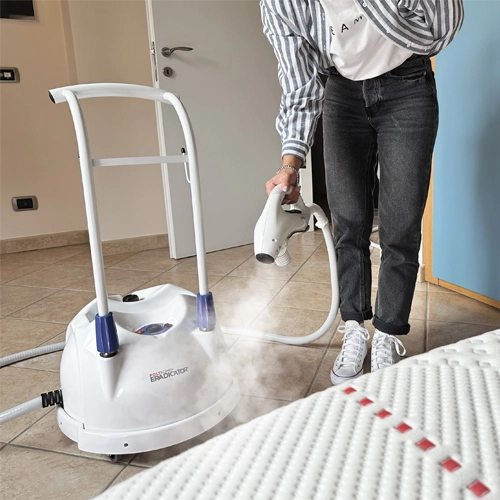
Many store bought handheld steamers have bedbug killing capabilities as they can also reach appropriate temperatures. One particular study found that consumer-grade steamers were also capable of treating bed bugs exposed on mattresses. Their effectiveness fell when covers and different layers were introduced, showing that steamers are more appropriately used for spot treatment as they only kill on direct contact.
Pros and Cons of Heat Treatment For Bed Bugs
Heat treatment carries a multitude of pros and cons. This should always be discussed with your pest control company when enquiring about heat treatment for bedbug eradication.
Pros of Heat Treatment
Heat treatment has many advantages, as it is the only bed bug extermination technique with a 100% success rate if completed correctly.
Effective against all stages of life: Heat treatment kills eggs, nymphs and adult bed bugs.
Fast results: The process of heat treatment is quick. Whilst heat can kill bugs instantaneously, many specialists choose to continue the cycle for an extended period of time to ensure the warmth penetrates hard to reach places or well insulated spaces such as mattresses and cushions - reducing the risk of bedbug survival and reducing the need to replace certain furnishings.
No toxic chemicals: A lack of toxic chemicals makes heat treatment a remarkably safe option. This means that there is no risk to pets, or risk of respiratory or skin reactions. Heat treatment is eco-friendly and fully chemical-free.
Cons of Heat Treatment
Whilst heat treatment is incredibly effective and efficient, it still has some downsides.
Preparation time: Heat treatment is only 100% effective if preparation is completed properly. Preparation can include washing all clothes and bedding, removing all items that aren’t affected by bedbugs or cannot withstand high temperatures from the area, vacuuming, decluttering, moving furniture and securing the room fully. Many steps need to be taken before heat treatment actually takes place, which lessen the likelihood of the bedbugs’ survival.
Cost: Heat treatment can cost more than chemical treatments due to the preparation time and labour costs, in addition to the length of time that heaters need to be running for and their power supply.
Risk of property damage: Extremely high temperatures sustained for a long time risk damaging items. This could include warping or melting. It is always important to ensure all items that could potentially be damaged by heat treatment are removed from the premises before the treatment begins.
For a more comprehensive walkthrough regarding heat treatment and how to prevent bed bugs from returning, check out our article about getting rid of bed bugs.