


What Do Bed Bugs Look Like?
Date: Invalid Date
The Importance Of Identifying Bed Bugs
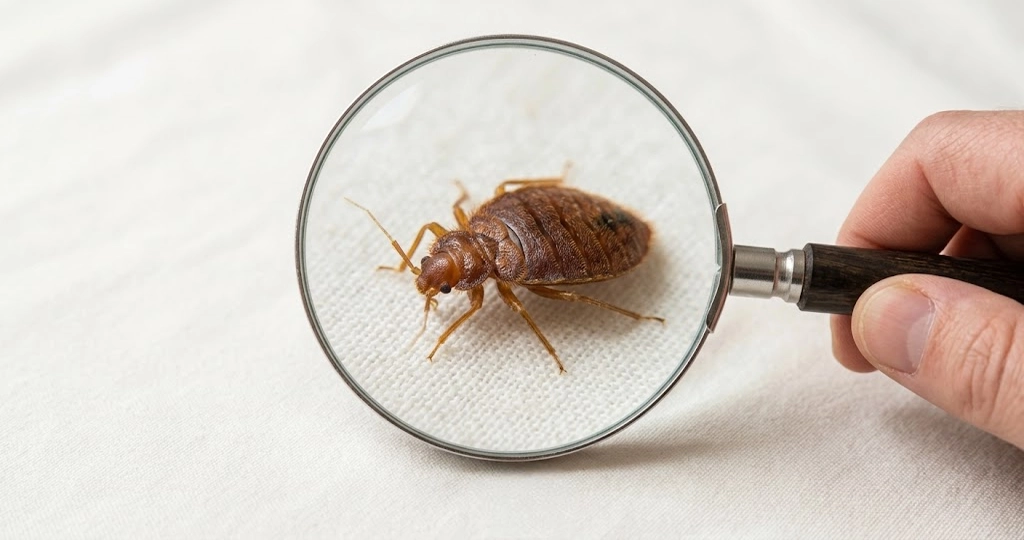
Bed bugs are small, elusive insects that can be surprisingly difficult to identify. They are most active at night and enjoy hiding in mattresses, bed frames, furniture, fabrics and other sheltered cracks and crevices. Because they are good at concealing themselves, an infestation can go unnoticed until there are more obvious signs and it is more difficult and invasive to combat.
Knowing that your infestation is bed bugs helps to determine which treatment option would be most effective to exterminate them, as specialist treatment is necessary.
What Do Bed Bugs Look Like?
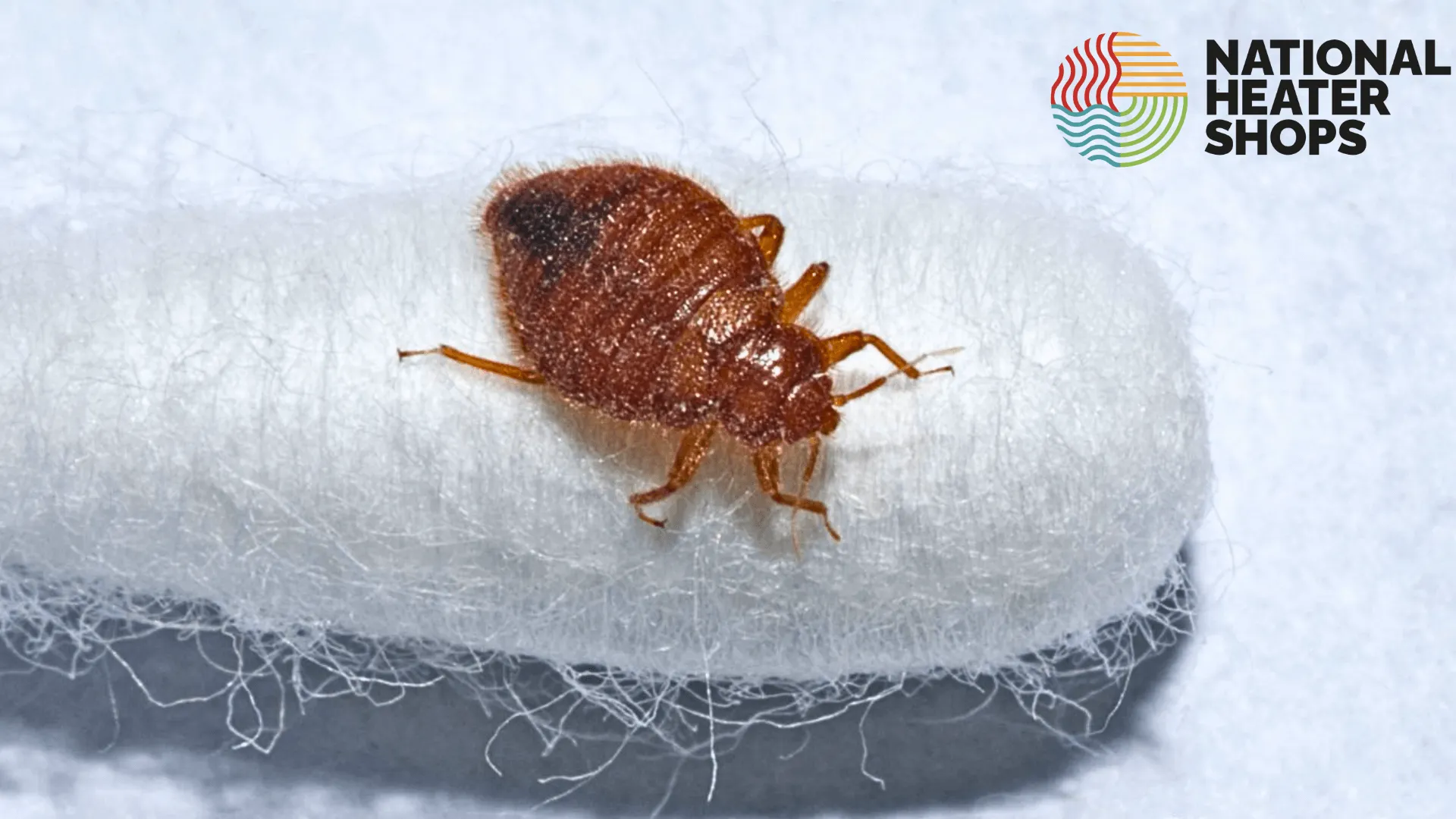
Adult bed bugs are typically around 4-7mm long, and are best compared to the size of an apple seed. They have a wide, ovular body when unfed and are generally a reddish-brown colour. After feeding, a bed bug can appear darker with a more elongated body.
Bed bugs are wingless, and have six legs. As a result, they travel by walking, as they are incapable of jumping or flying. Unlike lice, they will not travel directly on humans, and would rather travel in suitcases, in clothing fabric creases or on belongings.
Although bed bugs are visible to the naked eye, their small size and tendency to hide can make them difficult to spot.
What Do Bed Bug Eggs Look Like?
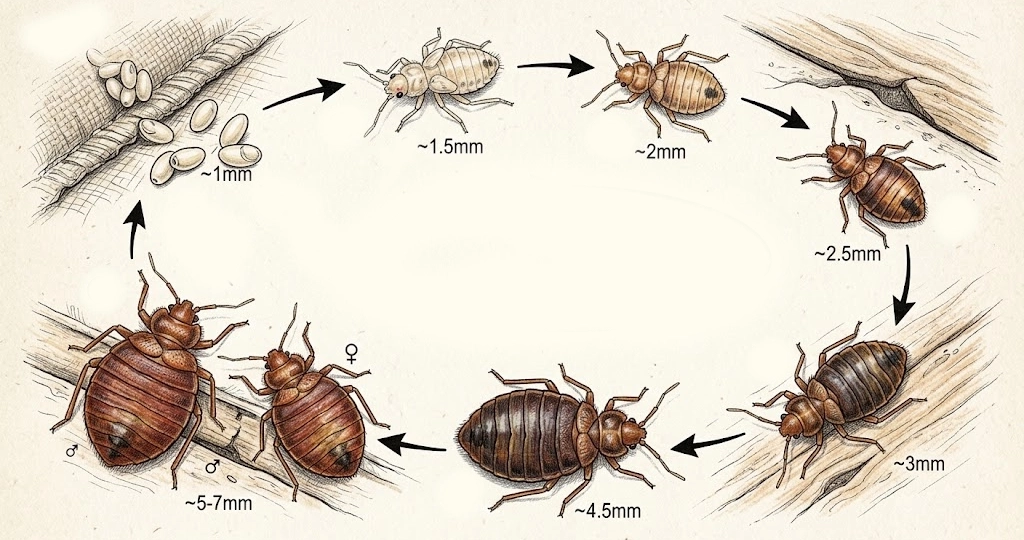
Bed bug eggs are considerably smaller than adult insects and can be much harder to identify. They are generally around 1mm, which is the size of a pinhead. Due to their miniscule size, bed bug eggs are easier to spot when in clusters.
They are usually pearl white or translucent and have an elongated, oval appearance similar to a tiny grain of rice. As a result, they may blend into pale or textured surfaces.
What Do Baby Bed Bugs Look Like?
Baby bed bugs are known as nymphs. They pass through several stages of development before becoming adults. Newly hatched nymphs are extremely small, often only around 1-2mm long, and are pale or almost translucent. As they feed and progress through their development, they become larger and darker.
As bed bug nymphs can look different to adult bed bugs, an infestation can be present even if you cannot find the larger reddish-brown adults.
How To Tell You Have Bedbugs
Knowing how to tell you have bedbugs involves looking for more than just the insects themselves. Bed bugs are experts at hiding, so you may notice indirect signs before you find a live insect.
Small Blood Spots on Bedding
Small reddish or rusty coloured markings on sheets or other bedding can sometimes be a sign that bedbugs are afoot. These may occur when a recently fed bed bug is crushed or when small amounts of blood are transferred onto bedding. These blood spots appear more vividly on lighter bedding and sheets, as opposed to darker colours.
Blood spots can have other causes, however, so they should be considered alongside other signs than treated solely as definitive proof.
Dark Spots or Staining
Small dark brown or black spots around mattress seams, bed frames and other potential hiding spaces can be bed bug faecal spotting. These marks may resemble tiny ink dots and can be particularly noticeable around areas where bed bugs shelter.
Shed Skins
As nymphs grow, they shed their exoskeletons. These pale, translucent skins can sometimes be found in or around bed bug hiding places. Finding several shed skins at different stages of development can provide useful evidence that an infestation is established.
Eggs and Eggshells
Tiny pale eggs and empty eggshells may be found in concealed areas. Make sure to look particularly closely around mattress piping and seams, bed frames, headboards, furniture joints and cracks.
Live Bed Bugs
Finding a live bedbug is one of the clearest indications that an infestation is present. Because they are small and good at hiding, it is important to inspect potential harbourage areas carefully for additional evidence.
Musty Odours
Some people claim that large bedbug infestations produce a distinctive musty or slightly sweet odour. Whilst this isn’t a reliable way to determine that there is an infestation, it may occur alongside other evidence.
Can You See Bed Bugs With The Naked Eye?
Yes, it is possible to see bed bugs at various stages of their lifecycle with the naked eye. However, their small size, flat bodies and tendency to hide in narrow cracks can make them hard to find. A bed bug’s surroundings can also affect how easy they are to spot.
What Do Bed Bug Bites Look Like?
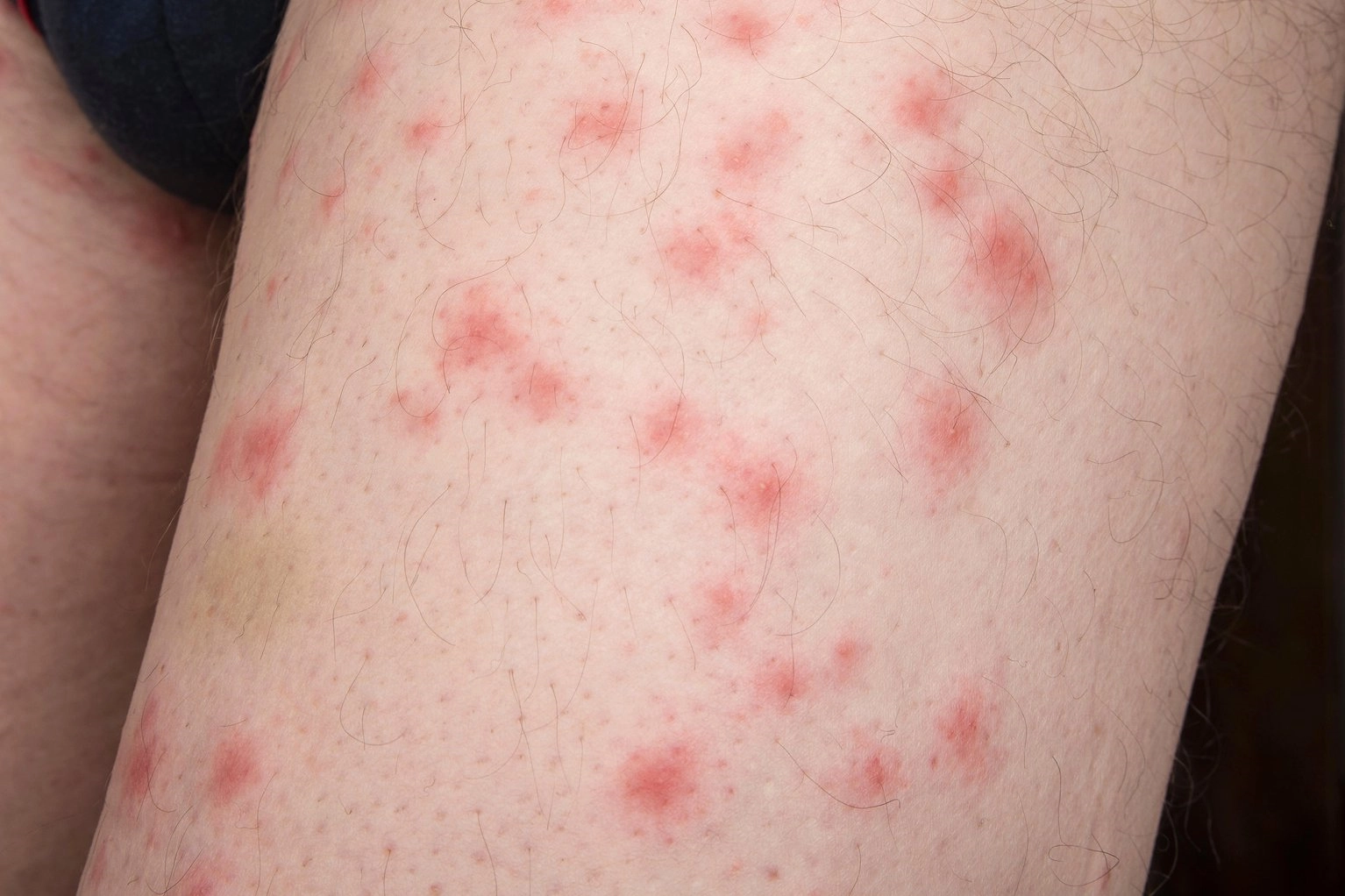
Bed bug bites occur as a result of bed bugs feeding. Knowing what they look like helps to identify an infestation. These bites appear as small, red, raised or swollen marks on the skin. They are usually itchy and may occur in clusters or lines, particularly on areas of the skin that are exposed whilst sleeping, such as the:
Arms
Legs
Neck
Face
Hands
The severity of reactions to bed bug bites varies between individuals, and some people may show little to no reaction to a bite.
Bed bug bites can also resemble bites from fleas, mosquitoes or other insects - or present in similar ways to other skin conditions or ailments, meaning they alone are not a reliable way to confirm an infestation. If bites are accompanied by other signs, such as dark spotting on the bedding, shed skins or live insets, there is stronger evidence of bed bug activity.
Treating Bed Bug Bites
Knowing how to treat bed bug bites helps improve their appearance and discomfort.
Clean the skin: Washing the areas of skin where bites have appeared with unscented soap and warm water helps to decrease the risk of a secondary skin infection and further irritation.
Cold compress: Applying a cold compress made from a clean, damp cloth or an ice pack can reduce swelling and help with itchy sensations. A cold compress can be reapplied multiple times a day, but for no longer than 20 minutes.
Avoid scratching: Scratching can potentially break the skin and increase the likelihood of infection.
Over the counter treatments such as antihistamines can potentially be used to reduce itching and discomfort. Always speak to a professional if your bites are causing persistent pain or discomfort, if they are getting worse or if you have an adverse reaction to them.
What To Do When You Think You Have Bed Bugs
Understanding The Signs Of A Bed Bug Infestation
Understanding what bed bugs look like is an important first step when investigating a suspected infestation. Because bed bugs are highly effective at hiding, finding one visible insect does not necessarily indicate the full extent of an infestation. A careful inspection of sleeping areas and surrounding furniture can help establish whether further investigation or treatment is necessary.
Steps You Can Take Yourself
If you believe you have a bed bug infestation, there are some steps you can take yourself to reduce the risk of them returning after professional extermination.
Wash and tumble dry all clothing and bedding at 60°C (This temperature kills bugs at all stages of their lifecycle).
Quarantine clothes and bedding once it has been washed, tying it up in bin bags.
Declutter the area, reducing places for the bugs to hide and harbour.
Vacuum thoroughly, reducing the amount of bugs and debris left behind by them.
Inspect items for bedbugs to verify the extent of the infestation. This can include opening all drawers to check inside, checking inside electronics and under any peeled wallpaper or carpet.
You can read an in-depth guide about what independent steps you can take in our how to get rid of bed bugs blog.
You can also read about how to prepare your space for heat treatment in our blog detailing whether heat treatment will damage electronics.
Killing Bed Bugs
Heat treatment is considered the most effective way to eliminate bed bugs as they are unable to withstand temperatures above 50°C. Many professionals will choose to increase the heat to 60°C to ensure it is able to penetrate deeper surfaces such as mattresses or cushions. It is considered more effective than using pesticides or chemical treatment, as bed bugs are becoming more and more immune to the effects of pesticides, and chemical treatment is not a guarantee that eggs will be destroyed. However, these techniques are oftentimes used as a spot treatment after heat treatment - just to be thorough.
You can read about the process of heat treatment, how to prepare fully for it and how it works in our bed bug heat treatment blog.
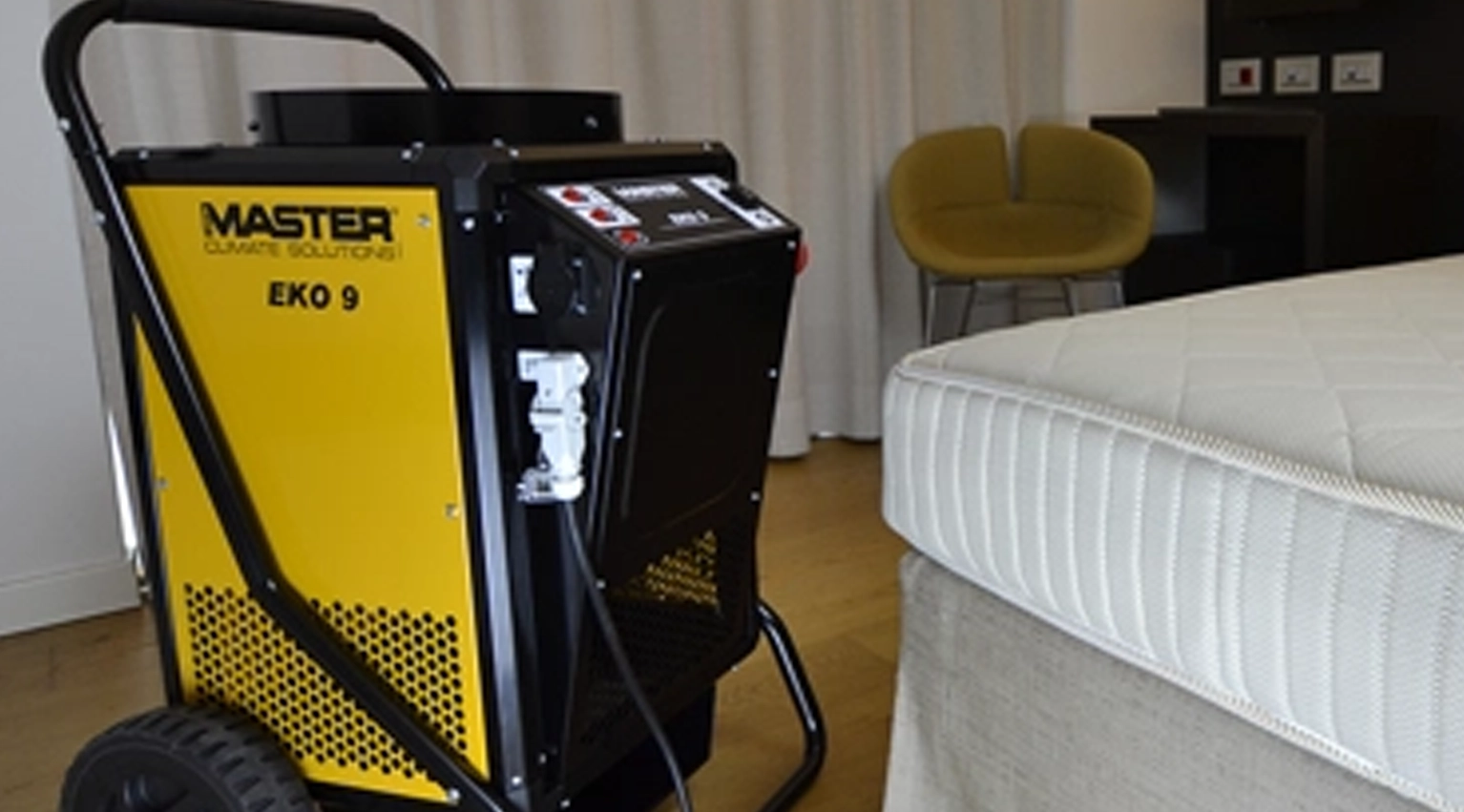
You can browse our wide selection of bed bug heaters in our pest control heater category.
How Long Do Bedbugs Live?
A bedbug can live approximately 10-12 months if they have a host and are in normal indoor circumstances. This lifespan can be changed through a number of factors, including whether they have a host or whether the conditions indoors are too harsh for them. A bedbug’s metabolism is slowed when they are in colder conditions, meaning they can survive for nearly 12 months without feeding.
Some people believe that a bedbug infestation will eventually disperse if there is no host to feed on. This is incorrect as an infestation without a host will continue to survive until a host returns, or will relocate to another room or area with a host. Bed bugs will become dormant and as a result their metabolism will slow once they are without a host, which will reserve their energy. They will also feed on pets, rodents or other animals if they are without a human host. Eggs are also still capable of hatching without a host, meaning the population can still be sustained.
As a result, if you find yourself with a bed bug problem, the most effective means of eradicating them is through heat treatment or other professional pest control. Independent measures can be made to reduce the risk of spread, but without treating the problem directly and appropriately it will continue to return.