


Will Heat Treatment Damage Electronics?
Date: 11 January 2024
Can Bed Bugs Infest Electronics?
Bed bugs are a pest that prefer to burrow and hide in cracks and crevices. Though the feeling certainly isn’t mutual, bed bugs love humans: our blood, the carbon dioxide we produce, the warmth inside our living spaces and our belongings. Electronic devices such as phones and laptops naturally radiate heat, which satiates a bed bug’s need for warmth.
As they often nest in spaces where they will remain undisturbed, bed bugs can sometimes be found harbouring in or around appliances that are rarely moved. This includes computers, consoles, refrigerator and televisions amongst any units where wires or cables are attached.
Will Heat Treatment Damage Electronics?
The ideal sustained temperature during heat treatment is 60°C. At this temperature, eggs, larvae and adult bed bugs are incapable of surviving. 60°C can sound like an imposing temperature, as it is hot enough to damage and melt certain plastics. However, many electronic items regularly reach internal temperatures of up to 60°C, so heat treatment may be light work for them.
Heat treatment damages more than just electronics - read our blog about bed bug heat treatment for a more in-depth look about preparing for extermination.
Electronics vary massively in their operating and storage-temperature ratings so manufacturer guidance can be referred to for valuable or unusually sensitive equipment.
Which Electronics Can Potentially Stay In The Room?
Whilst there is no universal list of items that can stay inside a room during treatment, many commonly encountered items can remain in the treated area providing the manufacturer permits exposure to the relevant temperature.
Examples can include:
Modern televisions, specifically LED and LCD models
Computer monitors
Desktop computers
Laptops, providing they are permitted by the manufacturer
Game consoles
WiFi routers and network equipment
Digital radios
Alarm clocks and digital clocks
Some kitchen appliances
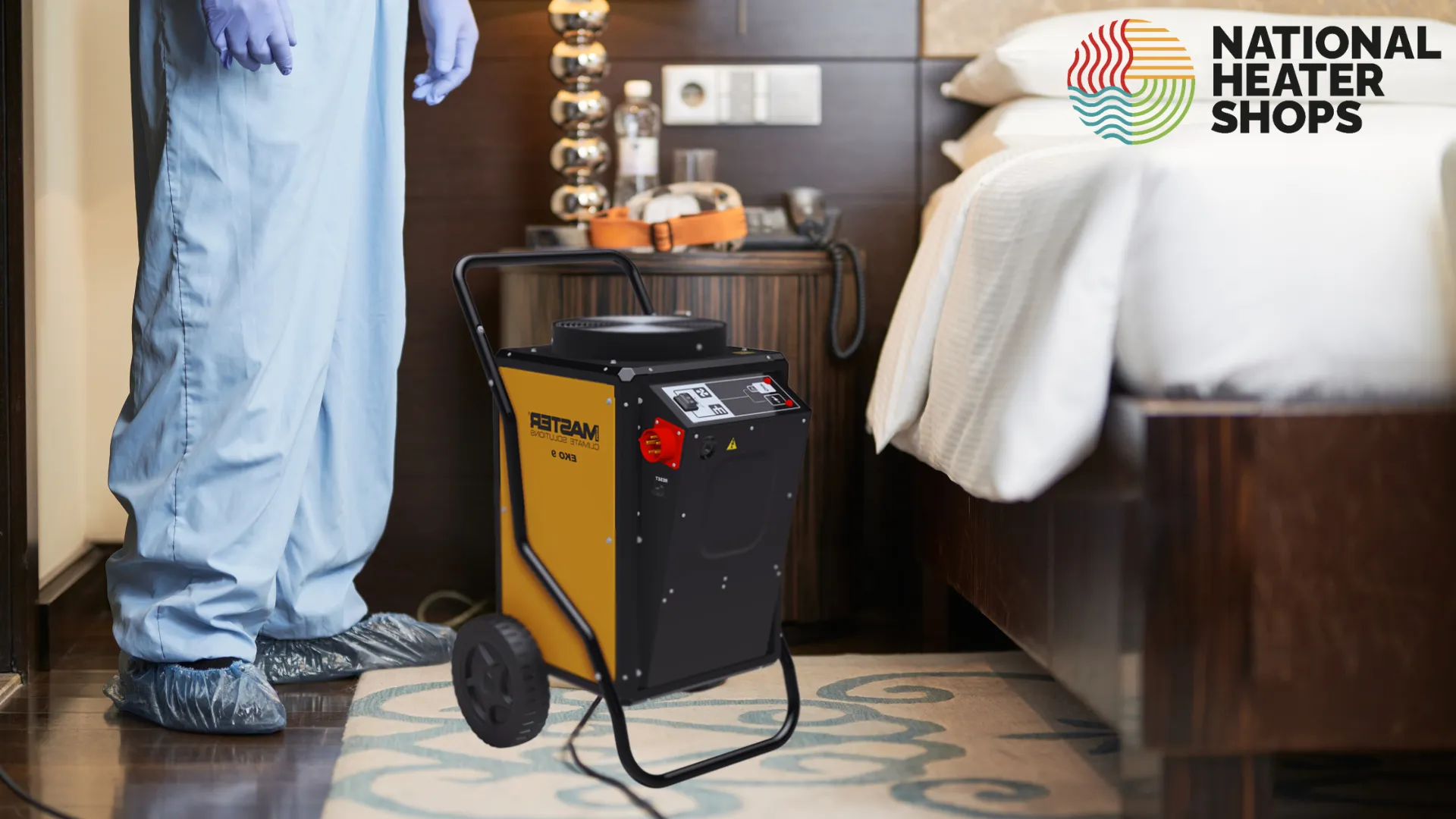
An interesting point is that the specialist bed bug heaters used for treatments are themselves present in the heated environments. These heaters are specifically designed for high-temperature applications and are capable of operating whilst the surrounding temperature is being brought up. Indirect heaters don’t sit inside the room itself, and instead hot, clean air is ducted into the room via a window or door.
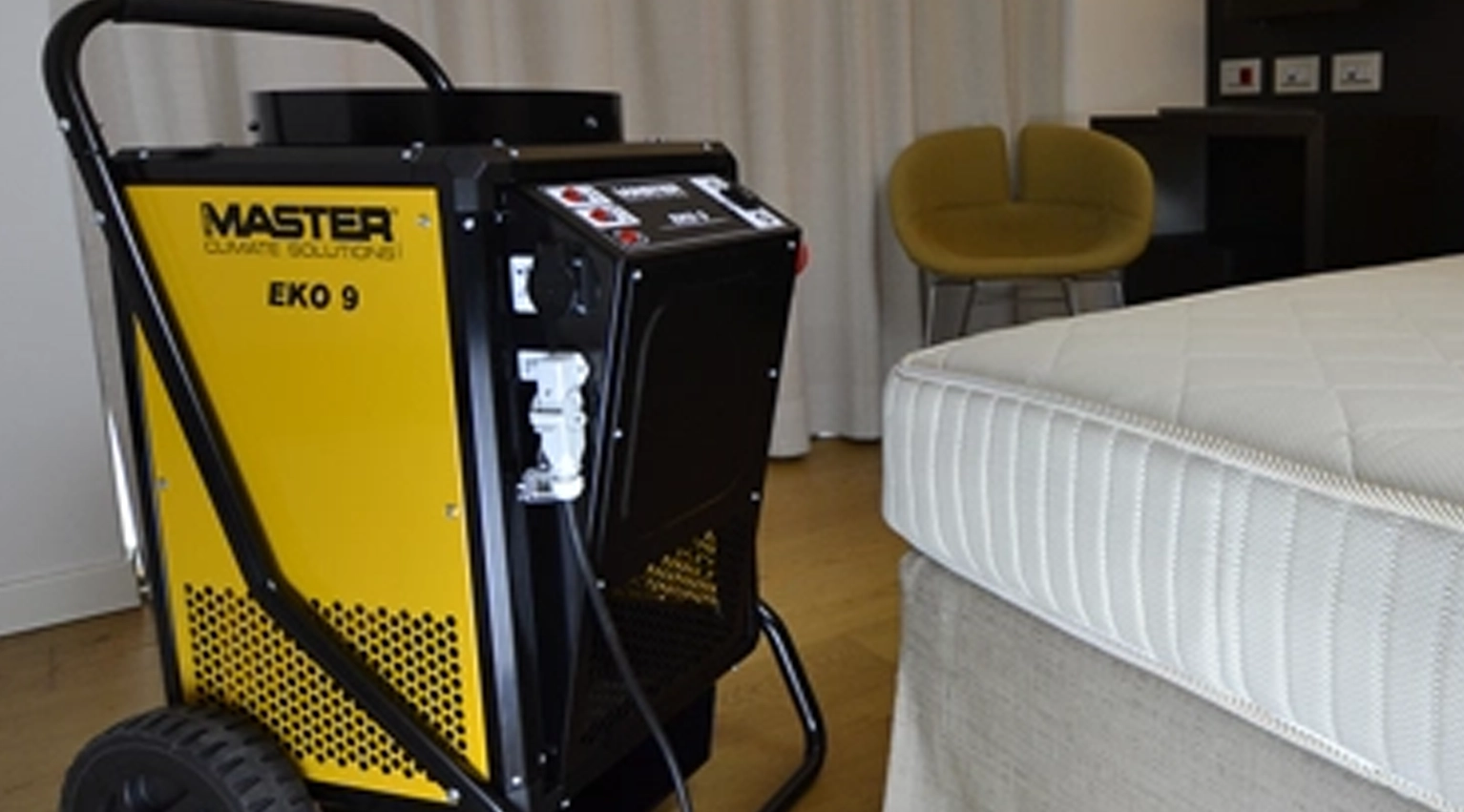
A Master EKO 9 Electric Heater is capable of operating in hot temperatures
Which Electronics Need To Be Removed?
Some items are more vulnerable to heat, whilst others present additional safety considerations as a result of their batteries or materials.
Depending on your equipment and the requirements of the treatment company, consider removing or making specific arrangements for:
Devices with removable or loose lithium batteries
Power banks and spare batteries
Battery storage equipment
Specialist servers and temperature-sensitive networking equipment
Laboratory or industrial electronic equipment
Older electronics with unknown temperature specifications
Items containing heat sensitive displays or components
Items featuring cameras
Valuable or irreplaceable electronic equipment where the manufacturer’s temperature rating cannot be confirmed
What About Batteries?
Many modern products contain lithium-ion batteries, including laptops, tablets, smartphones, cameras, cordless tools and power banks. High temperatures can affect these batters and lead to safety risks in certain circumstances.
For this reason, loose batteries and items containing these batteries should be removed from the area.
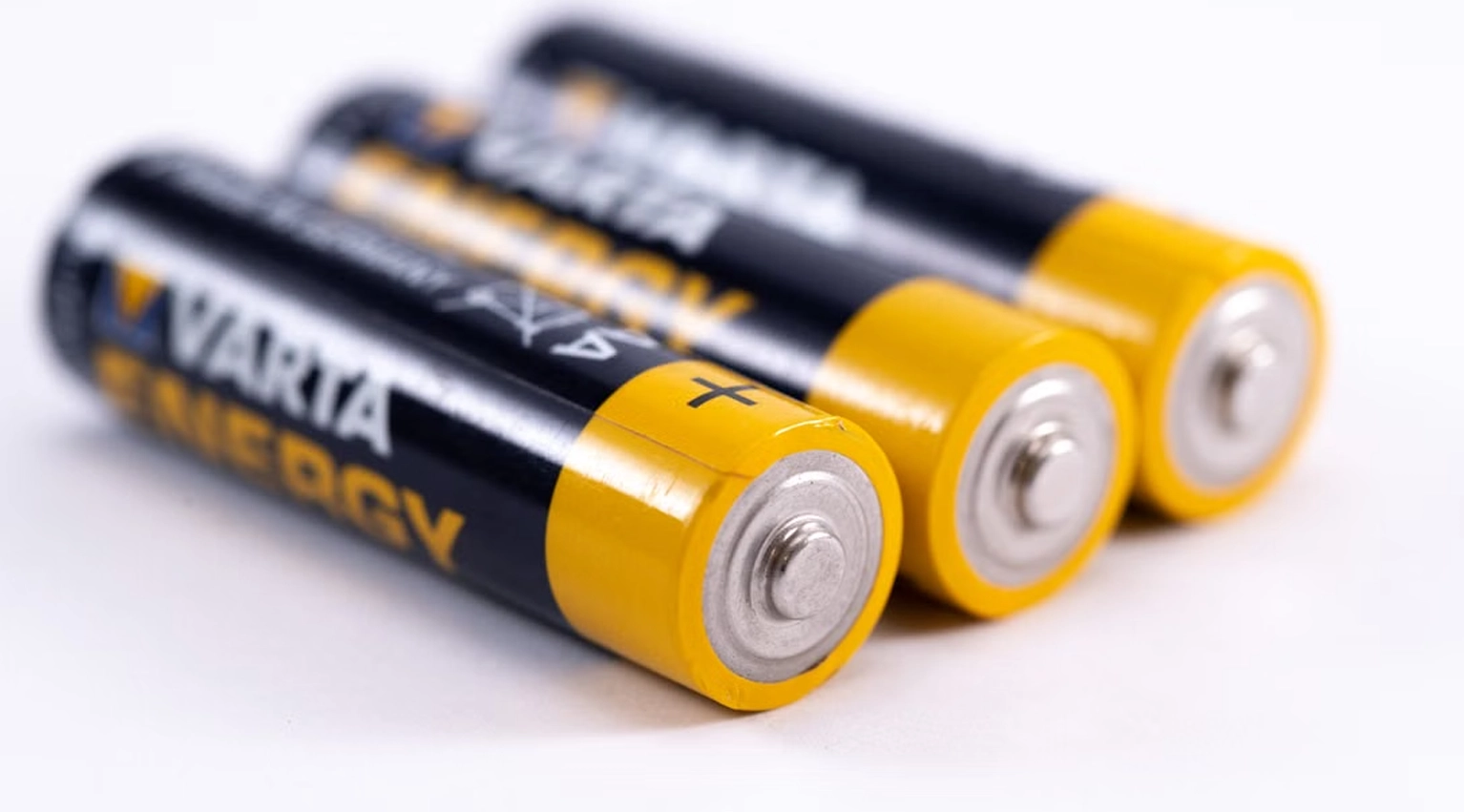
Batteries are at particular risk during heat treatment
Always seek advice from pest control experts when choosing items to keep or remove from a room during heat treatment.
Preparing Electronics For Heat Treatment
Taking the correct steps to prepare helps to reduce unnecessary risks whilst allowing the heat treatment process to work effectively.
Check Manufacturer’s Temperature Rating
Checking the manual or technical specification for each valuable electronic item can help give you peace of mind.
Look specifically for:
Operating temperature
Storage temperature
Non-operating temperature
Battery temperature limitations
Any restrictions relating to prolonged exposure to heat
Turn Off and Unplug
Heat treatment procedures involve increasing room temperature to at least 52°C. This is substantially higher than the safe operating temperature range of standard UK electronics. Turning off and unplugging all electronics before the process begins will ensure systems and software are protected.
Remove All Batteries
Removing all batteries from devices and storing them safely away from the treatment area helps to reduce risks.
Back Up Data
It is better safe than sorry. Back up any data, files or downloads on your devices before the treatment begins.
Cover With Insulating Materials
For sensitive electronics, we recommend covering with insulating materials such as a thermal blanket. Do not choose materials with low melting points, such as plastic or wax, as they will provide insufficient insulation and start to melt at higher temperatures.
How to Prevent Bed Bugs
Once bed bugs infest an area, professional treatment should be sought. Preventing bed bugs is a lot easier than removing them from an area. As they cannot fly or jump, and do not travel from person to person in the same way lice do, bed bugs only seek rides on items such as clothing or in luggage.
Bed bugs can be picked up from anywhere, but are mostly done so through hotels, hostels or overnight stays in spaces that already have an infestation. There is also a slim chance of bed bugs being present on trains or other public transport.
A heightened awareness helps to prevent bedbugs from harbouraging in your house. Ensuring items are quarantined after an overnight stay and inspected or washed before reintroducing them to your living space significantly decreases your chances of having a bed bug infestation develop. You can read more about the prevention of bed bugs through our blog about getting rid of bed bugs.
Will Heat Treatment For Bed Bugs Damage My Home?
With proper preparation and communication with your pest control provider, heat treatment is unlikely to lead to damage in your home. At-risk items should be removed from the property during heat treatment and either quarantined or spot treated depending on whether they are infested or not. The main risk during heat treatment is the warping of furniture materials such as bed frames, wardrobes or cupboards - which are all queries your pest control specialist should be able to answer depending on materials and manufacturer's guidance.
Sometimes, an infestation is so severe that cushioning such as mattresses and pillows need to be disposed of as the heat treatment is incapable of reaching and eliminating bed bugs that may have burrowed deep inside.