


Heat Pumps: The Efficient, All-Electric Solution For A Low-Carbon Future
Date: 13 May 2025
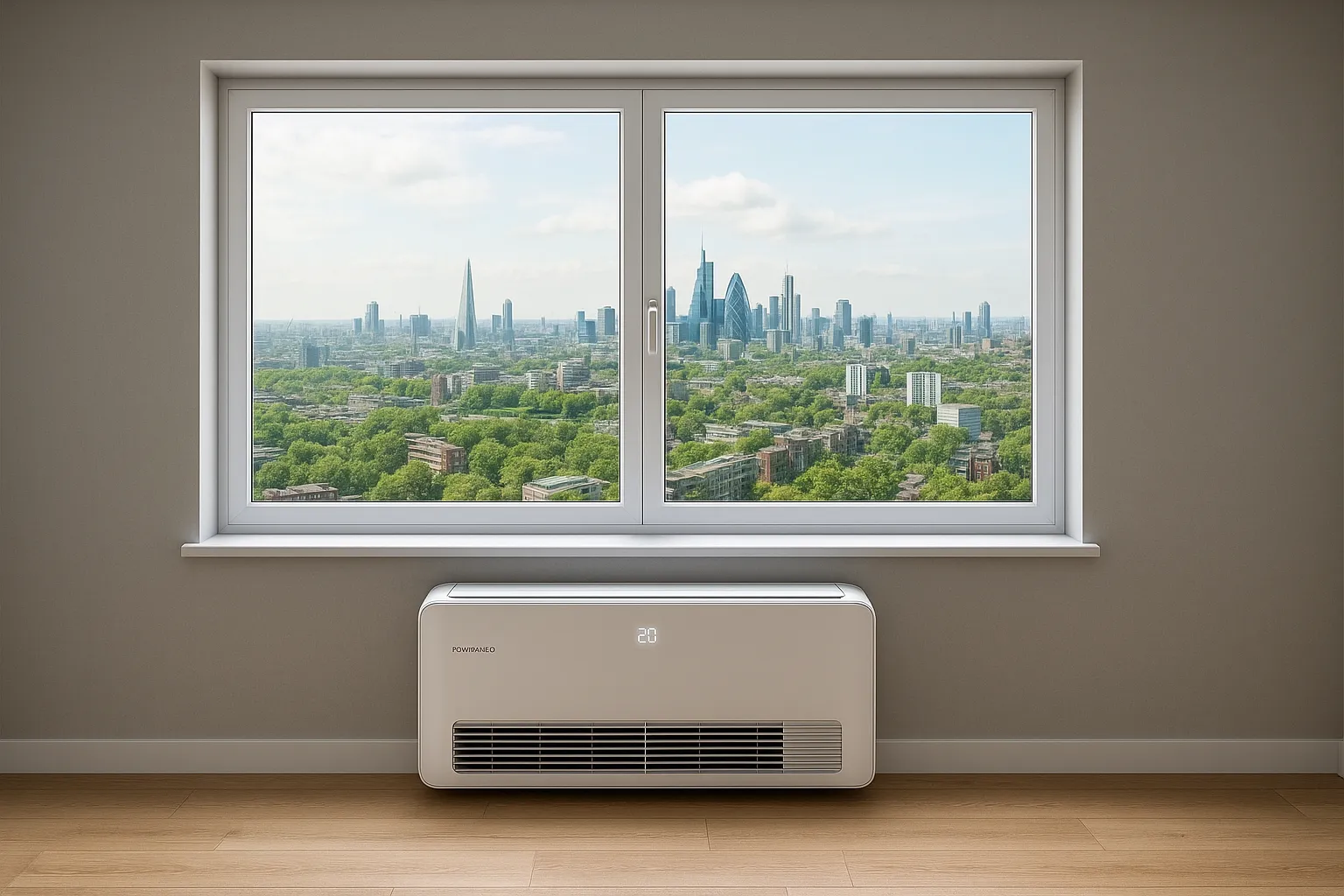
Heat pumps deliver an all-electric, low-carbon alternative to fossil-fuel boilers by extracting ambient thermal energy from the outside air, ground, or water and upgrading that warmth to heat indoor spaces and domestic hot water. Unlike gas boilers that burn hydrocarbons or direct electric heaters that convert electricity at a 1:1 ratio, a properly designed heat pump system transfers three to four units of thermal energy for every single unit of electrical energy consumed by its compressor.
Across the UK residential and commercial building sectors, transitioning away from gas and oil heating requires understanding how vapour-compression heat transfer operates in cold weather, why seasonal efficiency metrics matter more than peak laboratory ratings, and how building fabric insulation, low flow temperatures, and heat emitter sizing govern real-world running costs. Whether you are evaluating an air source heat pump for a domestic property or assessing commercial low-carbon HVAC upgrades for an office, hotel, school, or warehouse, matching system engineering to your building's thermal profile determines long-term performance.
How Heat Pumps Transfer Energy
Traditional heating systems generate heat inside the building by burning fuel (natural gas, LPG, or heating oil) or passing electrical current through a resistive element. Heat pumps operate on a completely different physical principle: they move existing thermal energy from a cooler external source into a warmer indoor environment using a closed-loop vapour-compression refrigeration cycle.
The Four-Stage Vapour-Compression Cycle
Even when outdoor air feels freezing at -5°C, it still contains substantial latent thermal energy above absolute zero (-273.15°C). A heat pump captures and upgrades that ambient warmth through four continuous stages:
Evaporation: Cold liquid refrigerant circulates through an external heat exchanger (the evaporator). Because the refrigerant boils at an extremely low temperature, ambient heat from the outside air, soil, or water causes the liquid refrigerant to absorb thermal energy and evaporate into a low-pressure gas.
Compression: An electrically driven compressor draws in the low-pressure refrigerant gas and compresses it rapidly. Increasing pressure raises the gas temperature substantially (often to 55°C–75°C), concentrating the captured ambient heat into useful high-grade thermal energy.
Condensation: The hot, high-pressure refrigerant gas flows into an internal heat exchanger (the condenser). Here, it transfers its thermal energy into your building's wet central heating water circuit (an air-to-water system) or directly into indoor room air (an air-to-air system). As the refrigerant gives up its heat, it condenses back into a warm liquid.
Expansion: The high-pressure liquid refrigerant passes through an electronic expansion valve, which drops its pressure and temperature sharply so the cold liquid can re-enter the evaporator and repeat the cycle.
Why Heat Pumps Are All-Electric Systems
Heat pumps produce zero on-site combustion emissions, eliminating the need for gas mains connections, oil storage bunded tanks, or combustion flues. Electricity is required exclusively to power the compressor, circulation pumps, defrost controls, and fans, not to create heat directly through electrical resistance. Consequently, as the UK electricity grid integrates higher shares of offshore wind, solar, and nuclear generation, the operational carbon footprint of an all-electric heat pump drops automatically year after year without modifying the hardware inside your property.
Comparing the Four Main Heat Pump Architectures
Selecting the appropriate heat source depends on your site's available land area, geological conditions, building heat load, and whether you require wet radiator heating or forced-air climate control.
Heat Pump Type | External Heat Source | Indoor Heat Delivery | Typical Installation Profile | Key Operational Considerations |
Air Source Heat Pump (ASHP , Air-to-Water) | Ambient outdoor air via external fan coil unit | Wet central heating (radiators, underfloor heating, hot water cylinder) | Most common choice for UK homes, extensions, and commercial retrofits | Straightforward outdoor wall or pad mounting; efficiency varies gently with seasonal outdoor air temperatures |
Ground Source Heat Pump (GSHP) | Shallow horizontal ground loops or deep vertical boreholes | Wet central heating and commercial plant rooms | Properties with large gardens, agricultural land, or commercial new-builds | High, steady seasonal efficiency because deep soil stays near 8°C–12°C year-round; higher upfront excavation cost |
Water Source Heat Pump (WSHP) | Rivers, lakes, flooded mine workings, or commercial aquifers | Wet central heating or large-scale district/commercial networks | Waterside commercial buildings, estates, and industrial premises | Exceptional thermal transfer efficiency; requires environmental abstraction and discharge permits |
Air-to-Air Heat Pump | Ambient outdoor air | Indoor wall cassettes, ducted air handlers, or floor consoles | Offices, retail units, server rooms, and open-plan homes without wet radiators | Delivers rapid warm air in winter and active air conditioning in summer; does not heat domestic hot water tanks |
COP vs. SCOP: Understanding Real-World Efficiency
Manufacturers quote two primary metrics to express heat pump efficiency:
Coefficient of Performance (COP): A snapshot measurement showing the ratio of heat output (kW) to electrical power input (kW) under specific laboratory test conditions (for example, 7°C outdoor air heating water to 35°C). A COP of 4.0 means 1 kW of electricity delivers 4 kW of heat.
Seasonal Coefficient of Performance (SCOP): A far more reliable indicator of annual performance across an entire UK heating season. Published under European and UK Ecodesign standards (EN 14825), SCOP averages efficiency across mild autumn days, freezing winter nights, and defrost cycles. According to guidance from the Energy Saving Trust, a well-installed UK air source heat pump typically achieves a seasonal efficiency (SCOP or Seasonal Performance Factor) between 2.8 and 3.8 (280% to 380% efficiency), depending on system flow temperatures and weather compensation controls.
Cold-Weather Performance, Flow Temperatures, and Lifecycle Impact
Modern inverter-driven air source heat pumps are engineered to extract heat reliably down to outdoor temperatures of -15°C to -25°C, well below typical UK winter lows. During cold, damp weather around 0°C to 4°C, moisture in the air freezes onto the external evaporator fins; the unit periodically reverses its cycle briefly for a few minutes to defrost the coil automatically.
Efficiency depends heavily on flow temperature, the temperature of water circulating through your radiators or underfloor pipes. While a traditional gas boiler heats water to 65°C–75°C, a heat pump operates most efficiently at 35°C to 45°C. Lowering the flow temperature reduces the pressure lift required from the compressor, boosting SCOP substantially.
From an environmental perspective, heat pumps eliminate direct on-site nitrogen oxides and carbon dioxide exhaust. However, a balanced lifecycle assessment recognises three wider factors: electricity generation carbon intensity (which continues falling as UK renewables expand), the Global Warming Potential (GWP) of the refrigerant gas sealed inside the circuit (modern systems increasingly adopt low-GWP refrigerants such as R290 propane or R32), and the embodied carbon from manufacturing copper coils, steel casings, and compressors.
Comparing Heat Pumps with Conventional and Low-Carbon Heating Systems
Evaluating heating technologies requires comparing fuel tariffs, upfront capital expenditure, installation disruption, and building compatibility side by side.
Heating System | Energy Source | Typical Seasonal Efficiency | Typical Flow Temperature | Key Strengths & Limitations |
Air Source Heat Pump | Ambient air + Grid electricity | 280% – 380% (SCOP 2.8–3.8) | 35°C – 50°C | Low operational carbon; high seasonal efficiency; requires outdoor unit space, hot water cylinder, and low-temperature emitters |
Modern Condensing Gas Boiler | Mains natural gas | 85% – 92% | 60°C – 75°C | Compact indoor footprint; high flow temperatures suit small legacy radiators; burns fossil fuel with direct emissions |
Oil-Fired Condensing Boiler | Heating oil (kerosene) | 85% – 90% | 60°C – 75°C | Suited to off-gas-grid rural sites; requires a bunded storage tank, fuel deliveries, and produces high carbon emissions |
Direct Electric Heaters (Panels / Fan Heaters) | Grid electricity | 100% (at point of use) | N/A (Direct room warmth) | Low upfront purchase cost; zero pipework needed; higher running cost per kWh than heat pumps for whole-building continuous heating |
Domestic vs. Commercial Heat Pump Applications
Residential homes and developments: Air source heat pumps pair naturally with underfloor heating and oversized double- or triple-panel radiators, alongside an unvented hot water cylinder fitted with a large-surface-area heat exchanger coil.
Offices, hotels, schools, and leisure buildings: Commercial properties often combine cascade air-to-water heat pump arrays with building management systems (BMS) and variable refrigerant flow (VRF) air-to-air units to provide simultaneous heating and cooling across zoned floors.
Warehouses and industrial facilities: While air-to-air heat pumps can condition insulated packing zones or trade counters efficiently, expansive uninsulated warehouses with 10-metre eaves and constantly open loading doors often experience rapid air changes that favour targeted radiant heating or high-output commercial space heaters.
Step-by-Step Procedure: Assessing, Sizing, and Installing a Heat Pump
Successfully deploying a heat pump requires thorough engineering design before selecting equipment. Follow this six-step procurement and assessment sequence:
Step 1: Upgrade Building Insulation and Draught-Proofing First
Reducing your building's fabric heat loss lowers the required heat pump capacity, shrinks radiator upgrade costs, and cuts annual electricity bills. Prioritise topping up loft insulation, filling cavity walls, upgrading single glazing, and sealing perimeter draughts around doors and windows before sizing your heating plant.
Step 2: Commission a Room-by-Room Heat-Loss Calculation
Never size a heat pump using rough watts-per-square-metre guesses or by matching the kilowatt rating of your old gas boiler. An MCS-certified (Microgeneration Certification Scheme) heating engineer must perform a room-by-room heat-loss survey in accordance with BS EN 12831 (or CIBSE Guide A for commercial buildings), measuring wall U-values, glazing areas, floor construction, ceiling heights, and air-change rates against local winter design temperatures.
Step 3: Audit Radiators, Underfloor Heating, and Hot Water Cylinders
Existing pipework diameters (ensuring primary runs are 22 mm or 28 mm rather than restrictive 10 mm microbore) and radiator surface areas must be checked against low flow temperatures (35°C–45°C). Standard domestic combi-boiler systems also require installing a dedicated heat-pump-compatible hot water cylinder, as heat pumps store domestic hot water rather than heating mains water instantaneously.
Step 4: Verify Outdoor Unit Siting, Noise Limits, and Electrical Capacity
Select a well-ventilated outdoor position for the air source unit with clear intake and discharge airflow clearances (typically 300 mm to 500 mm behind the unit and 1.5 m to 2.0 m in front) and a solid concrete pad with condensate drainage. Check MCS 020 sound-level rules relative to neighbouring bedroom windows, and ask a qualified electrician to confirm whether your incoming main fuse (typically 80 A or 100 A single-phase for homes, or three-phase 400 V for commercial premises) supports the heat pump's maximum compressor draw.
Step 5: Compare Installation Costs, Tariffs, and UK Financial Support
Total installation costs vary considerably depending on property size, radiator replacements, cylinder upgrades, and electrical works, typically ranging from £7,000 to £15,000+ before grants for UK residential properties, and scaling higher for multi-unit commercial plant rooms.
To ensure economical running costs, compare specialised heat pump electricity tariffs (such as time-of-use tariffs offering discounted off-peak rates alongside smart battery or thermal cylinder charging) against standard variable tariffs. Always check official guidance for current financial incentives, such as the Boiler Upgrade Scheme (BUS) in England and Wales or Home Energy Scotland grants and loans, and confirm eligibility rules and MCS installer conditions before signing contracts.
Step 6: Schedule Commissioning and Routine Annual Maintenance
Once installed by a qualified engineer, ensure the system undergoes formal hydraulic balancing, weather-compensation curve setup, and commissioning documentation. Maintain peak efficiency annually by clearing leaves and debris from the outdoor evaporator fins, cleaning magnetic system strainers, checking glycol/inhibitor levels, and booking an annual service check with a qualified heat pump engineer.
Common Mistakes That Undermine Heat Pump Performance
Even premium heat pump hardware underperforms or incurs high electricity bills when system design or operation is flawed. Avoid these five recurring failure modes:
Running a heat pump like an on/off gas boiler: Switching a heat pump off overnight and cranking the thermostat up rapidly each morning forces the compressor to work at maximum speed against cold water, slashing SCOP and triggering backup immersion heaters. Steady, continuous operation with gentle night setback temperatures (1°C–2°C lower) keeps flow temperatures low and efficiency high.
Keeping undersized legacy single-panel radiators: Forcing a heat pump to run at 55°C–60°C flow temperatures to compensate for small radiators cuts seasonal efficiency dramatically and increases running costs.
Disabling weather compensation controls: Fixed high flow temperatures waste electricity during mild autumn and spring days; active weather compensation lowers water temperatures automatically as outdoor temperatures rise.
Blocking airflow around the outdoor unit: Enclosing an air source unit inside tight decorative wooden slats or stacking garden furniture against the fan grille causes cold exhaust air to recirculate back into the intake, reducing efficiency and accelerating icing.
Installing excessive zone valves and micro-zoning: Closing off most radiators via individual smart TRVs shrinks the system's active water volume, causing the compressor to "short-cycle" on and off repeatedly, which accelerates mechanical wear.
Choosing Between Heat Pumps and Alternative Commercial Heating Equipment
While heat pumps offer strong long-term decarbonisation benefits for well-insulated residential homes, offices, schools, and hotels with wet central heating or year-round air-conditioning needs, they are not the right fit for every application.
Temporary construction sites, marquees, and seasonal events: Installing fixed heat pump infrastructure is impractical where portable, rapid deployment is needed.
Draughty workshops, loading bays, and uninsulated high-bay warehouses: Where large roller doors open frequently or buildings lack structural insulation, targeted electric infrared heaters or heavy-duty industrial fan heaters warm workstations rapidly without requiring major plant room conversions.
Supplementary spot heating in individual rooms: When a single home office, conservatory, or retail counter needs occasional boost warmth alongside an existing heating system, a dedicated electric panel heater or infrared radiator avoids whole-building retrofit expense.
At National Heater Shops, we supply a comprehensive range of commercial, industrial, and domestic heating equipment tailored to spaces where targeted, portable, or rapid-response heating outperforms central plant retrofits. You can explore energy-efficient heating solutions, browse our range of commercial heating equipment, discover electric heating solutions for indoor spaces, compare heating options for commercial and industrial environments, and find reliable heating equipment for your business across our online catalogue.
Heat Pump Buyer's Pre-Installation Audit
Review this operational verification checklist before committing to a heat pump quotation:
Building fabric assessed: Verified loft insulation, wall insulation, and draught-proofing measures are completed or scheduled prior to system sizing.
Room-by-room heat-loss calculation completed: Received a written BS EN 12831 heat-loss survey rather than a rough rule-of-thumb estimate.
Low flow temperature emitter audit passed: Confirmed every radiator or underfloor heating loop delivers full room heat load at 35°C–45°C flow temperatures.
Hot water cylinder compatibility verified: Specified an adequately sized cylinder with a large-surface-area coil and legionella pasteurisation cycle.
Outdoor placement and noise checked: Confirmed unobstructed airflow clearances, condensate drainage, and MCS 020 sound compliance.
Electrical supply and tariff reviewed: Verified incoming DNO fuse capacity and compared specialist heat pump electricity tariffs.
Accredited installer and funding confirmed: Checked installer MCS accreditation, manufacturer warranty terms, and current UK grant eligibility.
A Long-Term Low-Carbon Heating Strategy
Heat pumps provide a proven, all-electric pathway to cutting operational carbon emissions while delivering steady, comfortable warmth across UK homes and commercial buildings. Achieving their full efficiency potential depends on thoughtful system engineering, combining solid building insulation, accurate room-by-room heat-loss sizing, low-temperature radiators or underfloor heating, and intelligent weather-compensated controls.
If you are planning a whole-building low-carbon heating upgrade, commission a qualified MCS-accredited engineer to carry out a full property heat-loss assessment. Conversely, if your workspace, warehouse, construction site, or individual room requires rapid, targeted, or portable heating without extensive plant installation, contact National Heater Shops for heating advice to find the right heating equipment for your exact operating environment.
Frequently Asked Questions About Heat Pumps
Do heat pumps work efficiently in cold UK winters?
Yes. Modern inverter-driven air source heat pumps extract latent heat from outdoor air reliably down to temperatures between -15°C and -25°C, which covers even the coldest UK winter conditions. While efficiency (COP) dips slightly during sub-zero weather compared to mild spring days, a properly sized system maintains comfortable indoor temperatures all winter without relying on backup electric resistance elements.
Will I need to replace all my radiators to install a heat pump?
Not necessarily, though many older UK properties require upgrading at least some radiators. Because heat pumps operate most efficiently at lower water flow temperatures (35°C to 45°C) than gas boilers (65°C to 75°C), radiators need a larger surface area to emit the same amount of heat. A room-by-room heat-loss survey will identify which existing double-panel radiators can remain and which rooms benefit from upgrading to larger Type 22 or Type 33 radiators.
Are heat pumps cheaper to run than a gas boiler in the UK?
Running costs depend on the ratio between electricity and mains gas unit prices alongside your heat pump's Seasonal Coefficient of Performance (SCOP). When a heat pump achieves a strong seasonal efficiency of 3.2 to 3.8, especially when paired with a dedicated heat pump electricity tariff or off-peak time-of-use rates, annual running costs can match or undercut a gas boiler. Conversely, a poorly designed system running at high flow temperatures on a standard electricity tariff can cost more to operate than mains gas.
How noisy is an outdoor air source heat pump unit?
Modern residential air source heat pumps typically operate at sound pressure levels between 40 dB and 55 dB at 1 metre distance, roughly comparable to a modern domestic refrigerator or a quiet conversation. Siting the unit on anti-vibration mounts away from bedroom windows and ensuring compliance with MCS 020 noise standards prevents disturbance to occupants and neighbours.
What is the difference between a heat pump and a standard electric heater?
A standard electric resistance heater (such as a fan heater or panel heater) converts 1 kW of electricity directly into 1 kW of heat (100% efficiency). A heat pump uses electricity solely to drive a compressor and fans that move existing thermal energy from outside air, ground, or water into your building, delivering 2.8 kW to 4.0 kW of heat for every 1 kW of electricity consumed.